
Choosing a roofing material is one of the most important decisions you will make for your Richmond home. Your roof affects the appearance of the property, protects the structure from water damage, and influences long-term maintenance and energy costs.
Richmond homeowners have several roofing options, but not every material is suitable for every house. Local weather, roof slope, architectural style, budget, and maintenance expectations should all influence your decision.
The best roofing materials for Richmond homes include asphalt shingles, metal roofing, slate, synthetic roofing, cedar shakes, and several systems designed for flat or low-slope roofs. Each option offers a different combination of cost, durability, appearance, and performance.
What Is the Best Roofing Material for a Richmond Home?
There is no single roofing material that is right for every property.
Architectural asphalt shingles offer the best combination of price, appearance, and performance for many Richmond homeowners. Metal roofing is a strong option for homeowners seeking durability and a longer-term investment. Slate works well for historic and premium homes, while synthetic roofing can provide a similar appearance with less weight.
Cedar may suit homeowners who value natural materials and are prepared for additional maintenance. TPO, EPDM, and modified bitumen are better choices for flat and low-slope roof sections. The final decision should be based on the home’s structure, architecture, roof slope, budget, and long-term ownership plans.
What Richmond Homeowners Should Consider When Choosing Roofing Materials
A roof should be selected for the conditions it will face rather than appearance alone. Richmond experiences hot summers, seasonal storms, freezing winter temperatures, high humidity, and periods of heavy rain. The following factors can help you compare roofing materials.
Weather Resistance
Richmond roofs must withstand wind, rain, heat, humidity, and occasional snow or ice. A quality roofing system should resist water penetration and remain secure during strong thunderstorms. The roofing material is only one part of weather protection. Proper installation, flashing, underlayment, ventilation, and drainage also affect how well a roof performs.
Roof Slope
Some roofing materials are designed for steep residential roofs, while others work better on flat or low-slope sections. Asphalt shingles, slate, cedar, and many metal systems are commonly installed on sloped roofs. Membrane systems such as TPO and EPDM are generally more appropriate for roofs that do not have enough slope to shed water quickly.
Architectural Style
Richmond includes historic homes, traditional suburban properties, modern houses, townhomes, and multi-family buildings. The right roofing material should complement the property’s design. Slate may suit a historic home, while architectural shingles can work well on a wide range of traditional and contemporary properties. Standing seam metal can create a clean appearance on modern homes and additions.
Upfront Cost and Long-Term Value
The least expensive roof at installation is not always the least expensive roof over its full service life. Some premium materials cost more initially but may last longer and require fewer replacements. Homeowners should compare the expected lifespan, repair needs, maintenance requirements, warranty coverage, and installation cost of each option.
Maintenance Requirements
Every roof requires periodic inspections, but some materials need more attention than others. Cedar roofing may need treatment and cleaning, while slate requires contractors who understand how to walk on and repair the material safely. Asphalt shingles are relatively straightforward to inspect and repair. Metal roofing also has modest maintenance requirements when it is properly installed.
Asphalt Shingles
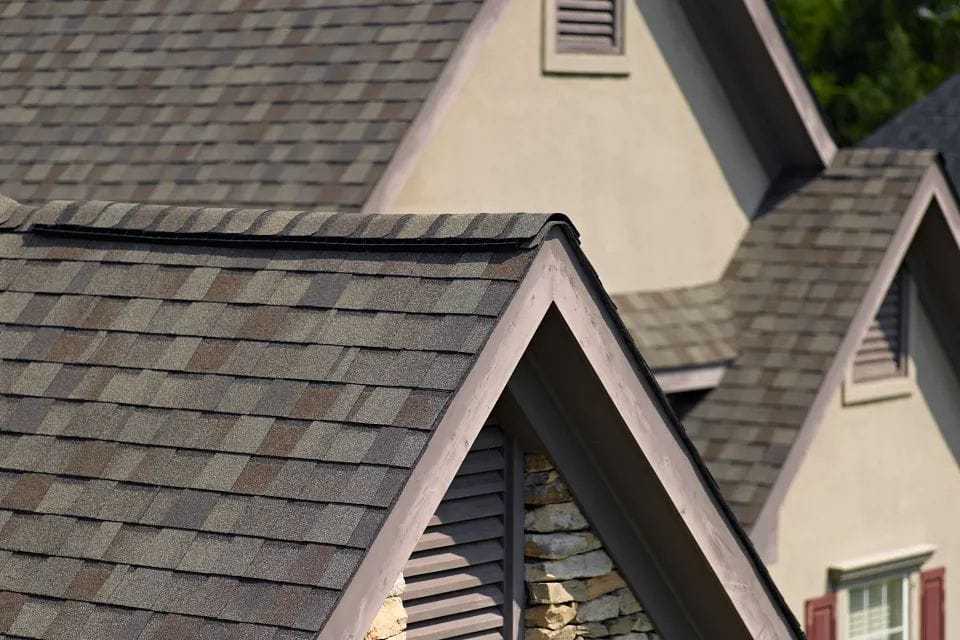
Asphalt shingles are among the most popular roofing materials for Richmond homes. They provide a practical balance of affordability, appearance, availability, and weather protection. Homeowners can choose from several grades, colors, and profiles. This makes asphalt roofing suitable for many architectural styles and budgets.
Three-Tab Asphalt Shingles
Three-tab shingles have a simple, uniform appearance. They are usually one of the most affordable residential roofing options. Although three-tab shingles can provide reliable protection, many homeowners now choose architectural shingles for their improved appearance and durability. Three-tab products can be a great fit for rental properties, detached garages, and budget-conscious projects.
Architectural Asphalt Shingles
Architectural shingles are thicker and more dimensional than standard three-tab products. They can create the appearance of wood shakes or other premium roofing materials without the same cost or maintenance requirements. These shingles are commonly chosen for roof replacements in Richmond because they offer:
- A dimensional appearance
- A wide selection of colors
- Improved wind resistance
- Greater durability than basic shingles
- Compatibility with many home styles
- Relatively simple repairs
Architectural asphalt shingles are often the best overall roofing material for homeowners who want dependable performance at a reasonable price.
Designer and Luxury Shingles
Certainteed luxury shingles are premium asphalt products made to reproduce the appearance of slate, cedar, or other high-end materials. They are heavier and more detailed than standard architectural shingles.
These products can be a good choice when homeowners want a distinctive roof but prefer the installation and maintenance advantages of asphalt. The roof structure and installation requirements should still be evaluated before selecting a heavier luxury shingle.
Are Asphalt Shingles Right for Your Richmond Home?
Replacement asphalt shingles are a strong choice for most sloped residential roofs. They offer flexibility in both price and design while providing reliable protection when installed as part of a complete roofing system. Their actual service life depends on the product, attic ventilation, installation quality, sun exposure, tree coverage, and maintenance.
Metal Roofs
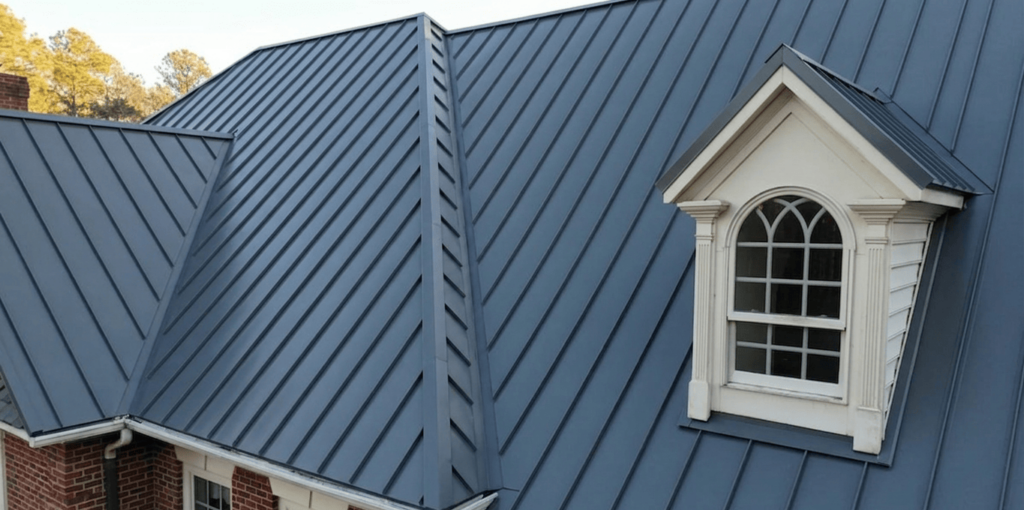
Metal roofing has become increasingly popular for residential properties. It can provide long-term durability, strong weather resistance, and a clean appearance. Several types of metal roofing are available, including standing seam panels and metal shingles.
Standing Seam Metal Roofing
Standing seam roofing uses long metal panels connected by raised seams. Concealed fasteners help protect the attachment points from direct exposure to rain and sunlight. Benefits of standing seam metal roofing include:
- Long service life
- Strong wind and rain resistance
- Low maintenance requirements
- Efficient water shedding
- A modern, streamlined appearance
- Compatibility with steep and moderately sloped roofs
Standing seam metal is often used on entire homes, porches, additions, bay windows, and accent sections.
Decra Metal Shingles
Decra metal shingles provide many of the performance advantages of metal panels while offering a more traditional appearance. They can be manufactured to resemble slate, tile, or wood. Metal shingles may work well for homeowners who want durability without the prominent vertical lines of a standing seam system.
Potential Drawbacks of Metal Roofing
Metal roofing generally costs more upfront than asphalt shingles. Installation also requires specialized knowledge, especially around valleys, penetrations, flashing, and transitions between roof sections. Poorly installed metal roofing may develop leaks, loose panels, or problems related to expansion and contraction. Hiring an experienced roofing contractor is essential.
Is Metal Roofing a Good Choice in Richmond?
Metal roofing can perform well in Richmond’s changing weather. It sheds rain efficiently and can resist damage from strong wind when the roof system is correctly designed and installed. It is especially suitable for homeowners planning to remain in the property for many years or those who want to reduce the likelihood of frequent roof replacements.
Synthetic Slate Roofs and Composite Roofing
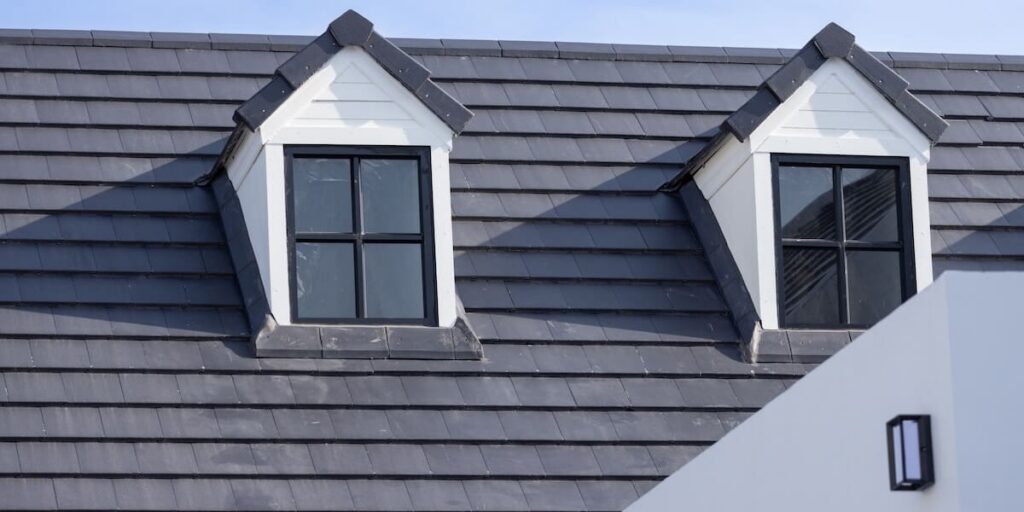
Synthetic roofing products are designed to reproduce the appearance of slate, cedar, or tile. They are generally manufactured from polymers, recycled materials, rubber, or a blend of engineered components. Composite roofing can offer a premium appearance with less weight than natural slate.
Benefits of Synthetic Slate Roofing
Synthetic slate can be especially useful when a homeowner wants a historic or upscale appearance but the structure cannot support natural stone. Depending on the product, synthetic roofing may offer:
- Resistance to cracking and impact
- Lower weight than natural slate
- Consistent sizing and color
- Reduced maintenance
- A range of profiles and styles
- Easier installation than some natural materials
Comparing Synthetic and Natural Materials
Synthetic roofing is not identical to natural slate or cedar. Product quality, warranties, appearance, and installation requirements can vary considerably between manufacturers.
Homeowners should review physical samples and product specifications before making a final decision. A roofing contractor can also explain how a synthetic product has performed on comparable Richmond homes.
Roofing Materials for Flat and Low-Slope Roofs
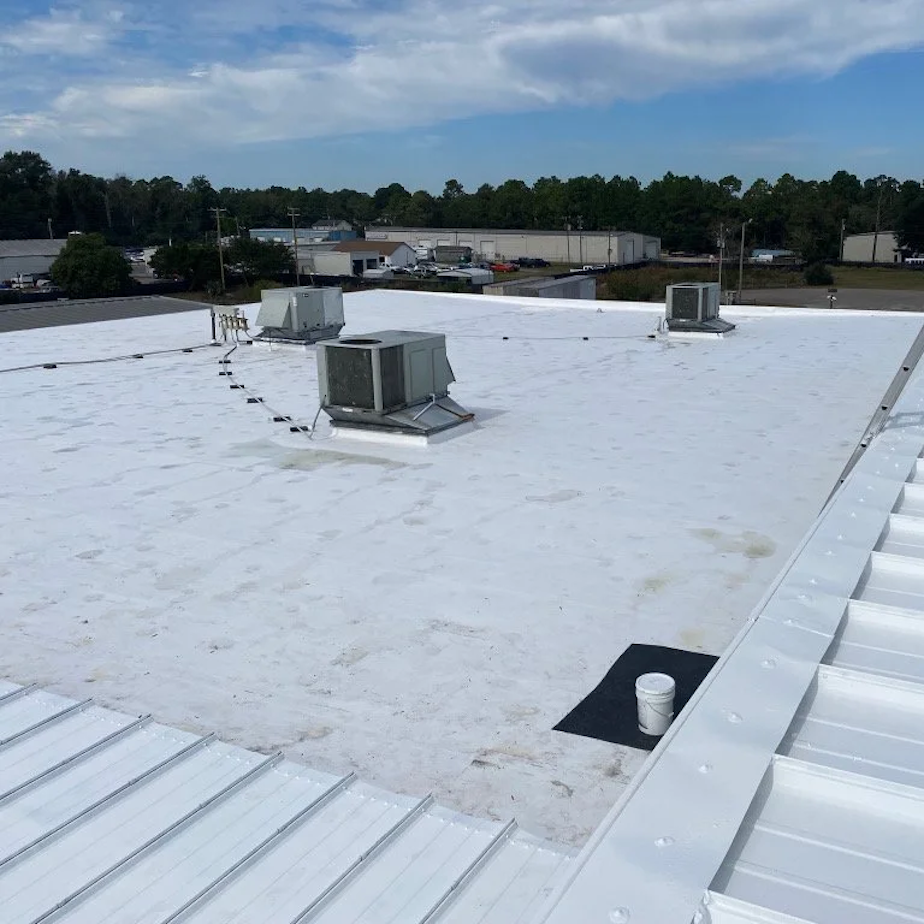
Shingles should not be installed on roof sections that are too flat to drain correctly. Low-slope roofs require materials designed to create a continuous water-resistant surface. Common flat and low-slope roofing systems include TPO, EPDM, PVC, modified bitumen, and certain roof coatings.
TPO Roofing
Thermoplastic polyolefin, commonly called TPO, is a single-ply membrane frequently used on commercial and residential low-slope roofs. The seams are heat-welded to create a continuous roofing surface. TPO is commonly available in light colors that reflect a portion of the sun’s heat. It may be used on home additions, porches, garages, apartment buildings, and other low-slope structures.
EPDM Roofing
EPDM is a synthetic rubber roofing membrane with a long history of use on flat roofs. It is flexible and can perform well through temperature changes. The membrane is usually black, although other configurations may be available. Seams, penetrations, edges, and drainage points require careful installation.
Modified Bitumen
Modified bitumen is an asphalt-based system supplied in rolls. It may be installed using several methods depending on the product and roof conditions. It provides a durable surface for certain low-slope applications. Proper flashing and drainage remain essential for long-term performance.
Selecting a Low-Slope Roofing System
The best system depends on roof size, slope, drainage, insulation, existing materials, penetrations, foot traffic, and budget. A professional inspection can identify whether the current roof should be repaired, restored, covered, or fully replaced.
Why Professional Roofing Installation Matters
Manufacturer specifications determine how roofing materials should be installed, fastened, ventilated, flashed, and sealed. Deviations from these requirements may reduce performance and affect warranty coverage.
A professional roofing contractor should:
- Inspect the existing roof
- Identify damaged decking
- Evaluate attic ventilation
- Confirm the roof slope
- Recommend compatible materials
- Install flashing correctly
- Follow fastening requirements
- Protect the property during construction
- Complete a final cleanup and inspection
Homeowners should compare complete roofing proposals rather than making a decision based only on the cost per square foot.
Choose the Right Roof with IBC Roofing Richmond
IBC Roofing Richmond helps homeowners compare roofing materials based on their property, priorities, and budget. Our team can evaluate your existing roof, explain available options, and recommend a system suited to Richmond’s climate.
Whether you are considering architectural shingles, metal roofing, slate, synthetic materials, or a low-slope roofing system, proper planning can help you get more value from your investment.