
Eco-friendly roofing is not always the product with the greenest label. In many cases, the better choice is the roof that lasts longer, manages heat better, supports proper ventilation, and reduces how often materials end up in a landfill.
For homeowners in Richmond, VA, roofing should be practical first. The roof still has to protect the home from rain, wind, heat, humidity, and seasonal weather changes. If a roofing material sounds sustainable but fails too early, it may not be the most eco-friendly option in the long run.
Eco-Friendly Roofing Starts With Longevity
The longer a roof lasts, the less often it needs to be torn off and replaced. That matters because old shingles, underlayment, flashing, and other roofing materials often become waste after a replacement.
This is why longevity is one of the most overlooked parts of sustainable roofing. A conventional roof that needs replacement sooner may create more waste over time than a stronger system that performs for decades. Learn more about what affects how long a roof lasts and how to get the most out of your investment.
IBC Roofing looks at eco-friendly roofing through the whole life of the system. That includes the roofing material, installation quality, ventilation, roof life, and how well the roof fits the home.
Installing a Metal Roof to Reduce Waste
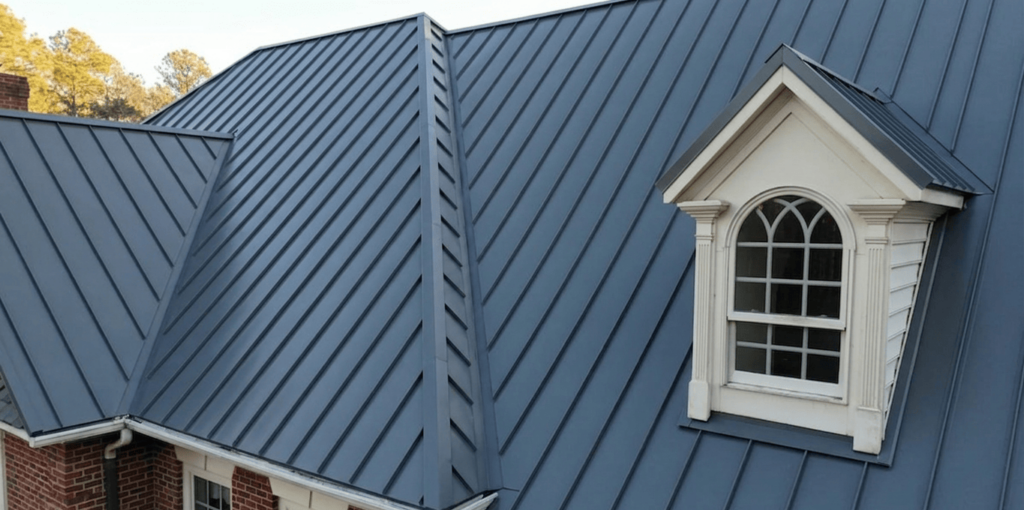
Metal roofing can be a smart choice because it lasts longer than many standard roofing systems. When installed correctly, a metal roof can reduce how often a home needs a full replacement.
That matters for sustainability. Fewer replacements mean fewer old materials going into landfills. It can also help with heat performance when the right finish or color is used.
Many metal products are made with recycled aluminum or steel. At the end of their service life, they can often be reused again. That makes metal one of the stronger options for homeowners who want durability and a lower carbon footprint over time.
For some Richmond homeowners, metal may cost more upfront. But the longer service life can make it a better long-term choice, especially when the goal is to reduce waste and avoid repeated replacement cycles.
Cool Roofs Can Help With Heat
Cool roofs are designed to reflect more sunlight than darker roofing surfaces. That can help reduce heat absorption and support better energy efficiency inside the home.
A cool roof does not make sense for every house, but it can be useful when heat gain is a major concern. Solar reflectance matters most when the roofing is exposed to strong sun for long periods.
Cool roofing can include reflective shingles, certain metal finishes, and some low-slope roof systems. On flat or low-slope roofing areas, a reflective membrane or coating may help manage heat while protecting the roof surface.
Living Roofs Are Rare But Worth Understanding
Green roofs, sometimes called living roofs, use a waterproof roof membrane with soil and vegetation installed above it. These systems can help manage stormwater, reduce heat, add insulation, and improve air quality around the property.
That said, it is not a simple upgrade for most Richmond homes. It adds weight, requires careful drainage design, and needs a roof structure that can handle the load. The waterproofing layer also has to be installed correctly because roofing leaks can be harder to locate once soil and plants are above the roof.
Green roofing is more common on commercial buildings, modern homes, or specialty projects. They can be a strong sustainability option, but they should never be treated like a basic roofing material swap. The structure, slope, drainage, access, and maintenance plan all need to be reviewed before the project moves forward.
Solar Roofing Shingles Are Different From Solar Panels
Solar shingles are another option homeowners may come across. Unlike traditional panels that mount over the roof, solar shingles are designed to act as both the roofing surface and the energy-producing system.
The appeal is easy to understand. Solar shingles create renewable energy while keeping a cleaner, lower-profile look than rack-mounted panels. For homeowners who care about curb appeal, that can be a big advantage.
The downside is that they are not always the best fit for every home. They can cost more than traditional shingles, and the roof still needs the right sun exposure, slope, and layout. Repairs can also become more specialized because the roof system and energy system are connected.
This is why IBC Roofing recommends looking at the roof first, not the product first. If the roof deck, ventilation, flashing, or existing shingles are not in good shape, adding solar can create more problems than it solves.
Ventilation Matters More Than People Think
A roof is not just the material you see from the street. The attic, intake vents, exhaust vents, insulation, and roof deck all affect performance.
Poor ventilation can trap heat and moisture. That can shorten roof life, stress shingles, and make the home less efficient. It can also make upstairs rooms feel hotter than they should.
IBC Roofing often sees homeowners focus only on the outside material. But the full roofing system matters. If the ventilation is wrong, even good roofing materials may not perform the way they should.
Recycled Materials Are Not Always Better
Recycled roofing materials can sound like the obvious choice. Sometimes they are. But “recycled” does not automatically mean it’s better.
The real question is whether the product performs well, lasts long enough, and fits the home. A product that fails early may create more waste than a durable product made from sustainable roofing materials.
Some shingles and roofing materials include recycled content. That can be a benefit, but it should not be the only reason to choose them. Installation quality, warranty, durability, and climate fit still matter.
Reused Composite Shingles Can Reduce Waste
Some roofing manufacturers now make composite shingles with recycled materials, including rubber, plastic, wood fibers, and other upcycled components. These products are designed to reduce waste while still giving homeowners a finished roofing surface that can resemble slate, shake, or architectural shingles.
The benefit is clear.
Refurbished composite shingles can keep usable materials out of landfills and reduce the need for new raw materials. Some products are also designed for impact resistance, weather resistance, and long-term durability.
But like any roofing product, they need to be judged by performance. A recycled shingle is only a good choice if it works for the home, carries a strong warranty, and can be installed correctly by a qualified roofer.
Slate and Reclaimed Tiles Have Limits
Slate is a natural roofing material with a long lifespan. In the right situation, it can be one of the most durable
roofing options available. Reclaimed tiles are sometimes used when homeowners want a historic or sustainable look.
But these options are not right for every home. Slate is heavy. Some houses may need structural evaluation before installation. They are also harder to source, match, and install properly.
For older Richmond homes, these roofing options can be worth discussing. But they need to be evaluated carefully, especially when weight, roof pitch, and existing framing are factors.
Cedar shakes can also have a natural look, but they require more maintenance than many homeowners expect. In humid areas, that matters.
Talk Through Sustainable Roofing Options With IBC Roofing
It is not about chasing the trendiest product. It is about choosing a roof that protects the home, reduces waste, improves efficiency where possible, and lasts as long as it should.
If you are considering an eco-friendly roof in Richmond, start with a beneficial roofing inspection and an honest conversation. IBC Roofing can look at your current roof, explain your material options, check ventilation, and help you decide what makes the most sense for your home.
IBC Roofing is a full-service roofing company serving Richmond homeowners and businesses with inspections, storm damage support, repairs, and roof replacement. Our team works with asphalt shingles, metal, slate, and flat roofing systems, giving us the experience to evaluate different roof types with confidence. Backed by an A+ rating from the BBB and CertainTeed certification, we provide trusted guidance for full roofing system evaluations, roofing solutions, repairs, and replacements.
FAQs About an Eco-Friendly Roof
Can Eco-Friendly Roofing Lower Long-Term Costs?
Many homeowners think it is more expensive. Sometimes the upfront cost is higher. But the long-term cost can be lower when the roof lasts longer, reflects heat better, or reduces strain on the HVAC system.
A cool roof may help reduce summer cooling demand. Metal roofing may reduce replacement frequency. Better ventilation can help the attic stay closer to the conditions it was designed for.
Solar roofing products may offset electricity costs when the home is a good fit.
The key is to compare lifetime value, not just the first estimate. A cheaper solution that needs replacement sooner may not be the better deal. It may also create more waste over time.
IBC Roofing helps homeowners think through the full picture: installation cost, roof life, energy performance, maintenance, warranty coverage, and how the material handles Richmond’s weather.
Do You Need a Roofer When Installing Solar Panels?
IBC Roofing cautions homeowners to have a roofer involved when they are installed. Installers may be good at solar, but they are not always careful with shingles, flashing, or roof penetrations.
Damage during installation can shorten roof life. That works against the whole point of eco-friendly solutions. If the roofing has to be repaired or replaced sooner because panels were installed poorly, the system becomes less sustainable.
Before adding solar, the roofing should be inspected. If the shingles are near the end of their life, replacing the roof first may be the smarter move. For Richmond homes, we usually suggest either metal or CertainTeed Landmark Solaris, which is CertainTeed’s main energy-efficient shingle line.
What Is the Best Eco-Friendly Roofing Material for Richmond Homes?
For Richmond homes, we usually suggest either metal roofing or CertainTeed Landmark Solaris, which is CertainTeed’s main energy-efficient shingle line.
It can offer strong long-term durability and reduce replacement waste over time. Landmark Solaris shingles are designed to reflect more heat than standard shingles, which can help improve roof performance in warmer months.
The right choice depends on the home’s slope, ventilation, style, budget, and long-term goals. Richmond roofs deal with heat, humidity, rain, and seasonal storms, so the material needs to be more than eco-conscious. It needs to be reliable.
IBC Roofing brings 50 years of combined experience to these decisions. As a CertainTeed-certified contractor, the team helps homeowners compare materials, warranties, ventilation needs, and long-term performance.