
A roof can look fine from the ground and still have problems that are easy to miss. That is one of the biggest reasons professional roof inspections matter. Most homeowners can spot a missing shingle, a ceiling stain, or a large branch sitting on the roof. The harder part is knowing which small details actually matter before they turn into leaks, water damage, or expensive repairs.
For homeowners in Richmond, VA, a roof inspection is not just about checking whether the roof survived the last storm. It is about understanding how the roof is performing, where weak points may be forming, and whether the home needs repair, maintenance, documentation, or nothing right now.
Reasons A Professional Roof Inspections Matter
Many roof problems do not show up clearly from the driveway. A roof may have no missing shingles, no obvious holes, and no visible sagging, but that does not mean everything is working the way it should.
Some issues hide in the details. Flashing may look secure while allowing small amounts of water behind it. Pipe boots may look fine from a distance but have cracking around the rubber gasket. Shingles may appear flat while being poorly fastened in areas that only a trained roofer would know to check.
That is why a professional inspection is different from a quick visual check. The goal is not just to see if something looks wrong. The goal is to understand how the full roof system is holding up.
1 Professional Inspections Find Hidden Issues
One of the biggest benefits of a professional roof inspection is catching problems that most people would never think to look for. A roof can fail early because of poor workmanship, storm damage, aging materials, or small maintenance issues that were never corrected.
For example, many people know exposed nails can be a problem. A professional roofer knows the inspection should go deeper than that. Nail placement near shingle keyways can also matter because fasteners placed too close to vulnerable areas may create future leak points or reduce wind resistance.
Valleys are another example. A basic inspection may only check for obvious holes or missing shingles. IBC Roofing looks closer at how the valley was built, including whether a woven valley was installed correctly, whether an open-cut valley was cut on the proper side, and whether nails were placed too close to the water path.
These details do not need to dominate the entire inspection, but they show why experience matters. The most important roof problems are not always the most obvious ones.
2 Small Problems Can Become Expensive
A professional roof inspection can save money by catching small issues before they become major repairs. A loose shingle, cracked pipe boot, missing sealant, or deteriorating flashing may not seem urgent at first. But water does not need a large opening to get into the home.
Once water gets past the roofing system, the problem can spread. It may damage decking, insulation, drywall, trim, or framing. A small exterior repair can turn into an interior repair if it is ignored long enough.
When IBC Roofing inspects a roof, the goal is to find those early warning signs while the solution is still manageable. That gives homeowners a chance to address the issue before it becomes an emergency.
3 Regular Inspections Help Roofs Last Longer
A roof usually does not fail all at once. It wears down through heat, rain, wind, installation stress, tree debris, and normal aging. Regular inspections help catch the issues that shorten a roof’s lifespan.
Damaged shingles, exposed fasteners, weak flashing, clogged valleys, worn pipe boots, and ventilation concerns can all affect how long a roof lasts. Some problems need repair right away. Others need to be monitored. A professional inspection helps separate the two.
That matters because replacement is not always the first answer. Sometimes, timely maintenance or a targeted repair can help the roof perform longer and give the homeowner more time to plan.
4 Storm Damage Is Not Always Obvious
Richmond homeowners know storms can move through quickly. High winds, heavy rain, hail, and wind-driven water can all affect a roof, even when the damage is not obvious from the ground.
A few shingles may lift and settle back down. Granule loss may blend in with normal wear. Flashing may shift slightly. Water may enter around a vulnerable area without leaving an immediate ceiling stain.
That is why a professional inspection after severe weather is helpful. IBC Roofing can look for signs of storm damage that may not be visible during a casual check. That includes lifted shingles, compromised flashing, damaged vents, exposed fasteners, granule loss, and possible water entry points.
Catching storm damage early helps homeowners avoid bigger problems later. It also gives them clearer documentation if repairs or an insurance claim need to be considered.
5 Inspections Help Protect the Structure
A roof does more than keep rain off the shingles. It protects the structure underneath. When water gets through the roof system, it can affect decking, rafters, insulation, ceilings, and interior walls.
A professional inspection can help identify signs of deeper trouble. That may include soft decking, moisture stains, mold concerns, wood rot, or evidence of water intrusion inside the attic. These issues are not always visible from outside the home.
This is where a basic roof check falls short. A roof may look acceptable from the exterior while still showing signs of moisture inside the attic or around penetrations. A professional inspection connects those clues so the homeowner understands the full picture.
6 Inspections Can Support Insurance and Real Estate Decisions
Roof inspections are also valuable when documentation matters. Some insurance situations require clear evidence of roof condition, storm damage, repair needs, or maintenance history. A professional inspection can provide better information than a homeowner’s guess or a few photos taken from the ground.
That does not mean every inspection leads to an insurance claim. It means the homeowner has clearer documentation if damage needs to be reviewed.
Inspections are also helpful before buying or selling a home. Sellers can identify roof issues before listing. Buyers can better understand the roof’s condition before closing. In both situations, a professional inspection can reduce surprises and help people make better decisions.
7 Roof Inspections Can Reveal Ventilation and Moisture Problems
Roof problems can affect more than water protection. A roof system also plays a role in comfort and energy efficiency, especially when ventilation, insulation, and moisture control are involved.
If a roof allows water into the attic, insulation can become damp and less effective. Poor ventilation can trap heat and moisture. Damaged roof components can create conditions that make the home harder to heat and cool.
A roof inspection will not magically lower energy bills by itself. But it can help identify roofing conditions that may be hurting the home’s performance. A well-maintained roof system helps protect the attic, insulation, and interior from problems that can affect comfort over time.
8 A Professional Knows What Is Normal
Not every roof concern means the roof needs to be replaced. That is another benefit of working with a professional.
Some signs are normal aging. Some are repair issues. Some need to be watched. Others need prompt attention. A professional roof inspection helps sort those categories clearly.
Slight granule loss on an older roof may be expected. Missing shingles after a storm may need repair. Soft decking around a leak may point to a deeper water problem. Poor ventilation may shorten the life of the roof even if the shingles still look decent.
That distinction matters. Homeowners need honest guidance, not panic. A good inspection should make the roof easier to understand, not more confusing.
What IBC Roofing Looks For
When IBC Roofing inspects a roof, the goal is to understand the full condition of the roofing system. That means looking beyond the most obvious surface issues.
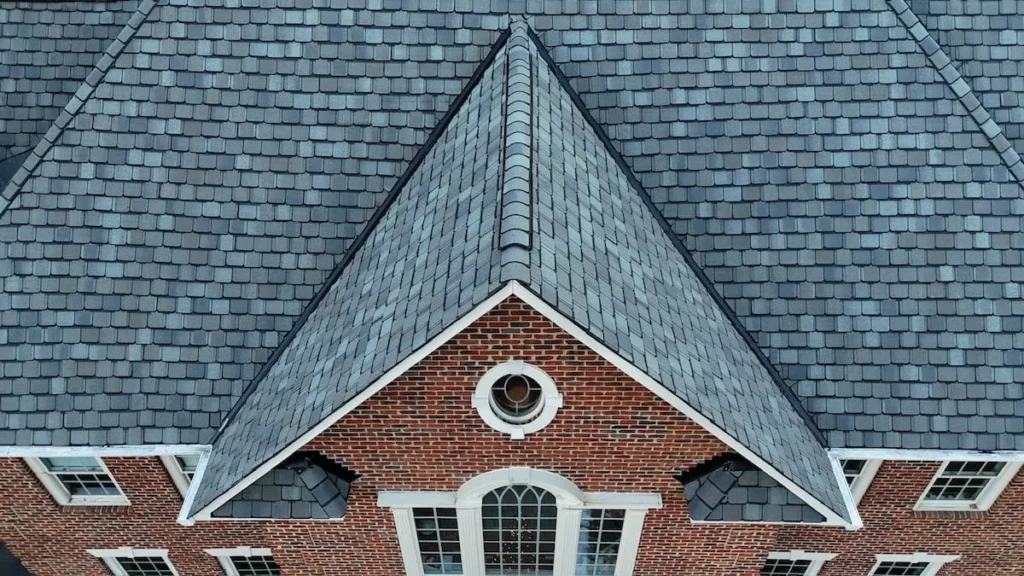
Our professional inspection will include checking shingles, flashing, valleys, pipe boots, vents, chimneys, skylights, gutters, decking, attic, ventilation, storm damage, and workmanship concerns.
Each part matters because the roof works as a system. Shingles protect the surface. Flashing protects transitions. Valleys move water away from roof intersections. Ventilation helps control heat and moisture. Gutters help move water away from the home.
If one part is failing, installed poorly, or starting to wear out, the rest of the system can be affected.
When to Schedule a Roof Inspection
Most homeowners should have their roof inspected every few years, especially if the roof is older or has had previous repairs. Annual inspections may make sense for older roofs, homes with trees nearby, or properties that have already had leak issues.
It is also smart to schedule an inspection after major storms, before buying or selling a home, before making an insurance claim, or when something looks different.
Warning signs can include missing shingles, ceiling stains, granules in the gutters, loose flashing, water spots in the attic, damaged pipe boots, or debris sitting in valleys. Even if the issue seems small, an inspection can help determine whether it needs attention now or can be monitored.
Schedule a Roof Inspection in Richmond, VA
The best time to schedule a roof inspection depends on the roof’s age, system type, and recent weather. In Richmond, homeowners should have the roof checked after significant storms, especially when strong winds, hail, heavy rain, or debris may have affected the roof.
Age-based inspections are also important. Since many wind warranties expire around year 15, year 16 is a smart time to check the roof’s condition. A 25-year shingle should usually be inspected around year 18 to 20. A 50-year shingle should be inspected around year 30 and year 40.
Flat roof systems need a different timeline. Since many are built around 12-year, 20-year, or 30-year systems, they should be inspected about two years before that limit to catch larger issues. If the goal is to extend the roof’s life with preventative work, such as a roof coating, inspect about five years before the limit.
Roof Inspection FAQs
Do I need an inspection if my roof is not leaking?
Sometimes, for example, if the roof is older or has been through recent storms. Many roof problems begin long before water reaches the ceiling. During an inspection, IBC Roofing can check for lifted shingles, loose flashing, damaged pipe boots, drainage issues, and other early warning signs that are easy to miss from the ground.
Can I inspect my roof from the ground?
You can look for obvious signs like missing shingles, debris, or sagging gutters, but a ground-level check cannot replace a full inspection. Many roof problems are not visible from the yard.