
A few missing shingles or one small leak do not automatically mean you need a new roof. Roof replacement makes more sense when damage is widespread, problems keep returning, or the roof is near the end of its expected service life. The question is whether another repair will give you several more years of reliable service or whether you are spending money on a roofing system that is already failing in multiple areas. Here are the signs that point toward roof replacement.
1. Your Roof Is Near the End of Its Expected Service Life
Roof age does not tell the whole story, but it gives useful context. Asphalt shingles are the most common roofing material on Richmond homes. Depending on the product, installation, ventilation, and exposure, asphalt roofs often last around 15 to 30 years.
Other roofing materials have different service lives.
Roofing Material Typical Service Life
- 3-Tab Asphalt Shingles = 15–20 years
- Architectural Asphalt Shingles = 20–30+ years
- Metal Roofing = 40–70+ years
- Synthetic Slate = 40–50+ years
- Natural Slate = 75–100+ years
These are general ranges. A 20-year-old architectural shingle roof in good condition does not automatically need replacement. A 15-year-old roof with widespread shingle failure and repeated leaks deserves a closer look.
Richmond Weather Affects Roof Life
Central Virginia weather puts roofs through repeated heating, cooling, wetting, and drying cycles. Summer heat raises surface temperatures. Humidity slows drying in shaded areas. Thunderstorms bring heavy rain and strong wind. Tree coverage around older Richmond neighborhoods also leads to falling branches, clogged gutters, and sections of roof that stay damp longer.
Attic ventilation matters as well. Excess heat and moisture under the roof deck speed up deterioration from below.
2. Shingle Damage Covers Large Areas of the Roof
A few damaged shingles are usually repairable. The concern grows when similar problems appear across several roof slopes. Look for:
- Missing shingles in more than one area
- Cracked or split shingles
- Curled or buckled shingle edges
- Brittle shingles that break easily
- Exposed underlayment
- Large areas with uneven wear
Widespread damage often means the shingles are aging as a group. Replacing a handful at a time will not stop the rest of the roof from following the same pattern.
A Small Damaged Area Does Not Always Require Replacement
Wind sometimes lifts or removes a limited number of shingles while the rest of the roof remains in good condition. In that case, a repair is often the more practical choice. The age and condition of the surrounding shingles matter. Older shingles are harder to work around because they become brittle, and matching the existing color becomes more difficult as the roof fades.

3. Your Roof Keeps Leaking After Repairs
One leak with a clear source often has a straightforward repair. Repeated leaks are different. If you have repaired the roof several times and water keeps showing up in new areas, the problem is likely broader than one failed shingle or flashing detail.
If several roof sections are leaking, replacement often provides a more dependable solution than continuing to patch each new problem. Water does not always travel straight down from the point where it entered the roof. It can follow decking, rafters, nails, and framing before reaching the ceiling below. That is why the source of a leak needs to be inspected from both the roof and attic whenever possible.
4. Your Shingles Are Losing Large Amounts of Granules
Asphalt shingles have a layer of mineral granules on the surface. Some granule loss is normal, especially when a roof is new or after severe weather. Granules protect the asphalt from sunlight and weather exposure. Once large areas lose that surface layer, the shingles deteriorate faster. A few worn shingles are a repair issue. Extensive granule loss across several slopes points toward an aging roofing system.
5. The Roof Deck Is Soft, Sagging, or Rotted
The roof deck sits below the shingles and underlayment. On most modern homes, it consists of plywood or OSB panels fastened to the roof framing. Decking should feel solid. Soft areas, visible sagging, or rotted sections usually mean moisture has been present for some time. Warning signs of decking damage include:
- Sagging sections in the roof surface
- Waves or dips in the roofline
- Soft decking found during an inspection
- Dark or stained wood in the attic
- Rot around leaks or roof penetrations
- Delaminating plywood
Small damaged sections of decking are often replaced during roofing work. Widespread decking deterioration increases the scope of the job and makes repeated surface repairs less useful. Do not walk on a roof that appears soft or sagging because damaged decking will not support weight reliably.
6. Flashing Is Failing in Several Areas
Flashing directs water away from joints, walls, chimneys, vents, and other roof openings. One section of loose or damaged flashing section is usually repairable. Multiple flashing failures on an older roof deserve more attention. The metal itself might be corroded, sealants can fail, and the roofing materials surrounding the flashing often deteriorate at the same time. If leaks are developing around several roof penetrations, a contractor should inspect the entire system rather than treating each leak as a separate issue.
7. Storm Damage Covers a Large Part of the Roof
Richmond regularly sees thunderstorms with strong wind, heavy rain, and occasional hail. Falling limbs create another source of damage in tree-covered neighborhoods.
Small storm-damaged areas are often repairable if the rest of the roof is in good condition. Replacement becomes more likely when wind or hail affects several slopes, the shingles are already old, or the storm exposes existing deterioration. If storm damage is involved, document what you see before temporary repairs begin. A roofing contractor will inspect the roof, record visible damage, and provide the information needed as you work through your insurance process. IBC Roofing does not determine insurance coverage or guarantee claim approval. Coverage depends on your policy and the cause of the damage.
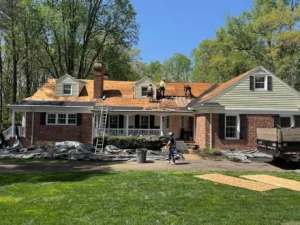
8. Roof Repairs Are Becoming More Frequent
Look at your repair history, not only the problem you have today. One repair every several years on an otherwise sound roof is normal. Multiple repairs within a short period tell you more about the condition of the roof as a whole. At some point, another repair solves the immediate leak without changing the overall condition of the roof. That is where replacement starts to make more financial sense.
9. Moss or Moisture Problems Are Affecting the Roofing Materials
Dark streaks or algae growth on a roof do not automatically mean the roof needs replacement. The concern is prolonged moisture. Moss holds water against the shingle surface. Leaves and debris trap moisture in valleys and behind chimneys. Shaded sections dry more slowly after rain.
Over time, persistent moisture contributes to damaged shingles and rotted decking. During an inspection, the contractor should determine whether the growth is a surface issue or whether moisture has reached the materials below the shingles. If the decking remains solid and the shingles are otherwise healthy, replacement is usually unnecessary. If moisture damage extends below the surface, more extensive work is needed.
10. The Roofline Is Sagging or Uneven
Stand back from the house and look across the roofline. A healthy roof should look relatively straight and even. Large dips, waves, or sagging areas need professional inspection. Possible causes include damaged decking, long-term water intrusion, framing problems, or structural movement. This is different from cosmetic shingle wear. Sagging points to an issue below the roof covering.
What To Do If You Think Your Richmond Roof Needs To Be Replaced
Start with an inspection; call IBC Roofing Richmond to book yours today. The inspection starts with the condition of the roof. If a simple roof repair makes sense, that should be clear during the roof evaluation. If the roof has reached the point where replacement offers the better long-term outcome, we will help you understand why before you make the decision.
Before the appointment, find out roughly when the roof was installed if you have that information. Take photos of interior stains and note when leaks appear. If the problem followed a storm, record the date and visible damage. During the inspection, ask us to explain what is failing, how much of the roof is affected, and how much life remains in the sections that are still intact. If replacement is recommended, we will provide a written estimate that identifies the roofing material, underlayment, flashing work, ventilation work, decking allowances, warranty, and cleanup.
Schedule a Roof Inspection With IBC Roofing Richmond
IBC Roofing Richmond provides roof inspections, repairs, and roof replacement throughout Richmond and the surrounding Central Virginia area, including Midlothian, Brandermill, Chesterfield, and Moseley. IBC Roofing is a CertainTeed ShingleMaster certified contractor and works on asphalt shingle, metal, synthetic slate, flat, and low-slope roofing systems. Schedule a roof inspection to determine your roof’s condition and the next steps.