
Cedar Shake Roofing
Cedar shake roofing gives Richmond homes a distinct look. Each shake has its own grain, thickness, and color variation, so the finished roof has more texture and depth than a standard shingle roof. IBC Roofing Richmond installs and replaces cedar shake roofing throughout the Richmond, and Central Virginia area. If you are considering cedar shake for a roof replacement, we will inspect the existing roof, review the material options, and explain what the installation requires before you make a decision.
Get a Free Inspection
By submitting this form I acknowledge that IBC Roofing may contact me about its services through various automated and recorded means, including telephone, text, and email.
Beautiful Cedar Shake Roofing for Richmond Homes
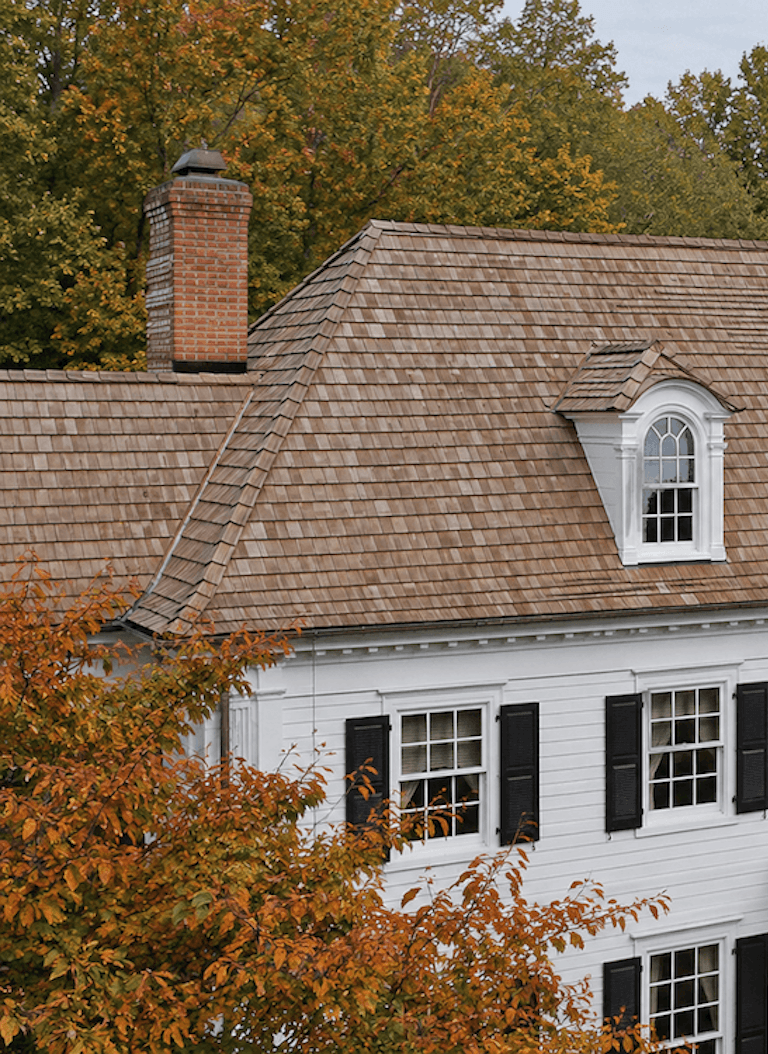
Homeowners usually choose cedar because they want a roof with more texture than a standard asphalt shingle system. Cedar shake is made from natural wood that is cut or split into individual roofing pieces.
Cedar works well on homes where the roof is an important part of the exterior design, including Colonial, Craftsman, cottage, farmhouse, and other traditional home styles found throughout Central Virginia. Cedar roofing requires the right roof conditions:
- The decking must be sound.
- Flashing details need to be installed correctly.
- Ventilation and moisture control matter because the roofing material needs to dry after rain.
IBC Roofing reviews those conditions during the roof inspection. If repairs or ventilation changes are needed before cedar is installed, we will explain them as part of the roofing plan.
Our Roofing Testimonials & Reviews
Upgrade To New Cedar Wood Roofing Materials
IBC Roofing installs, replaces, and inspects composite cedar shake roofing across Richmond. Schedule a roof inspection and we will tell you whether cedar shake works on your house and provide a FREE detailed estimate for your roof replacement.
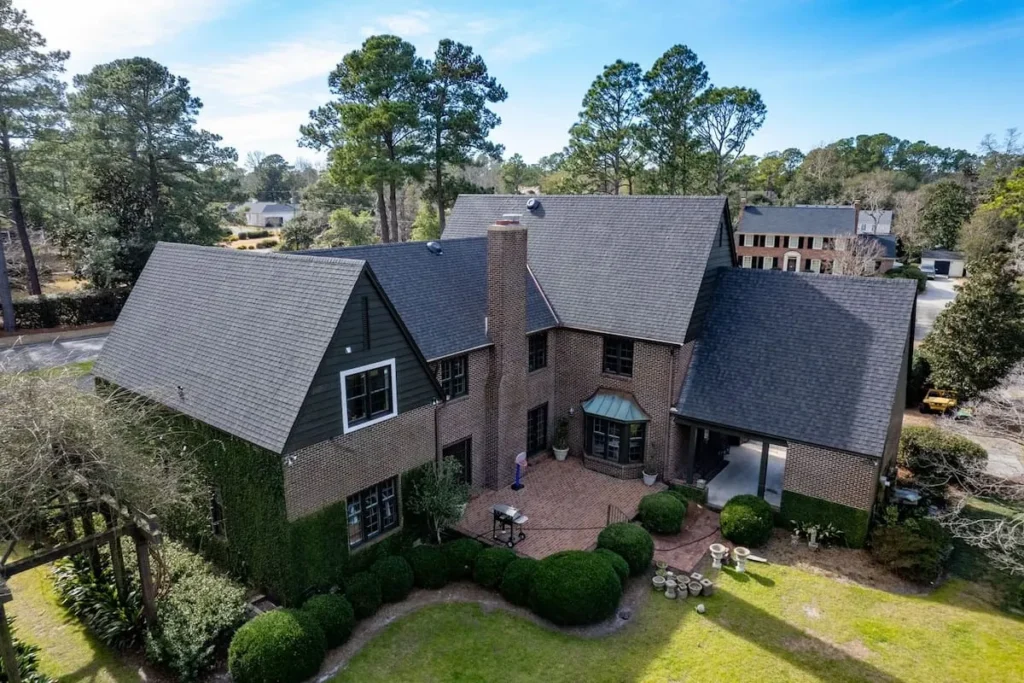
Replacing Asphalt Shingles With Cedar Shake
Switching from asphalt shingles to cedar shake changes more than the roof’s appearance. Cedar roofing has different installation requirements. We confirm that the deck is in good condition and that the roof has the correct ventilation and moisture-management details for the selected cedar product. Damaged or deteriorated decking should be replaced before the new roofing system goes on. Roof pitch, valleys, chimneys, wall intersections, skylights, and other penetrations also affect the installation.
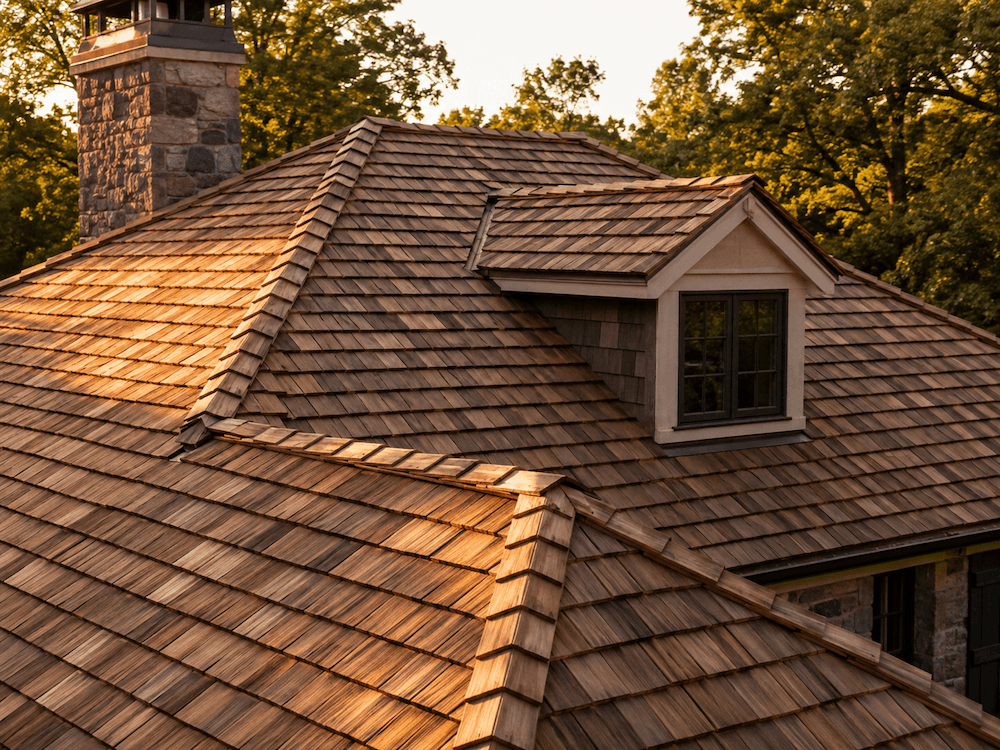
Replacing an Existing, Older Cedar Shake Roof
An older cedar roof does not need replacement because a few shakes look worn. Individual damaged shakes are often replaced when the rest of the roof remains in serviceable condition. Replacement becomes practical when deterioration is widespread, there are repeated issues with leaks, or damage to the underlying deck. IBC Roofing will inspect the roofing system to determine whether repair still makes sense or whether the roof has reached the point where replacement is the better use of the homeowner’s money.
Why Richmond Homeowners Choose Cedar Shake Roofing
Cedar has a different set of strengths than asphalt, metal, or synthetic roofing. The right choice depends on the house, the owner’s expectations, and the amount of maintenance they are willing to handle.
Natural Wood Appearance
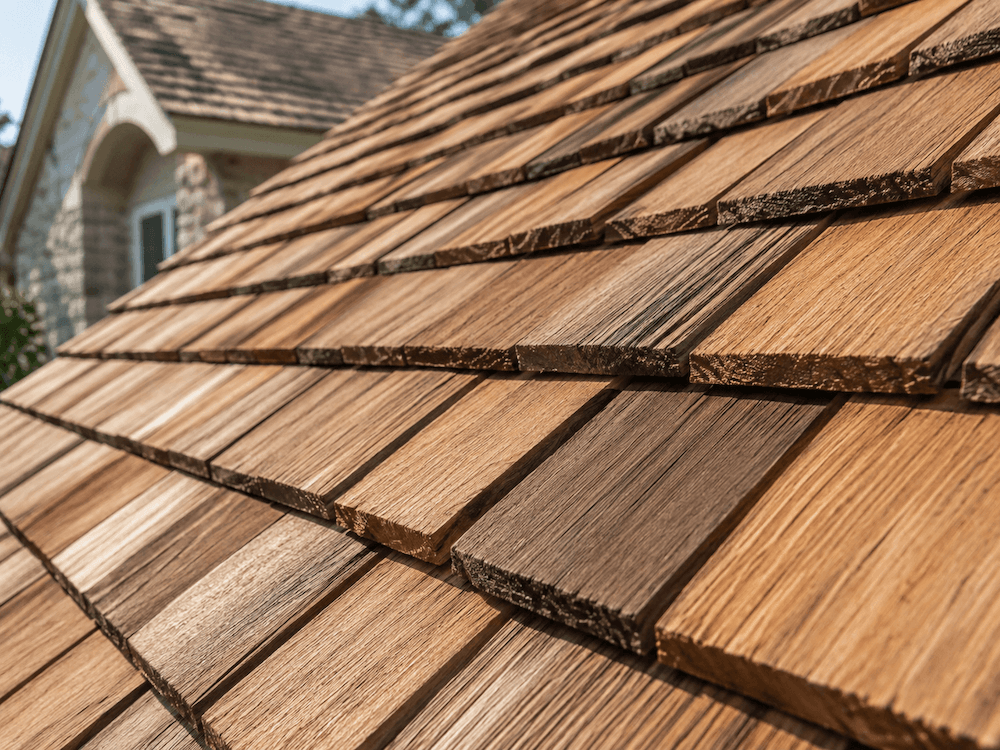
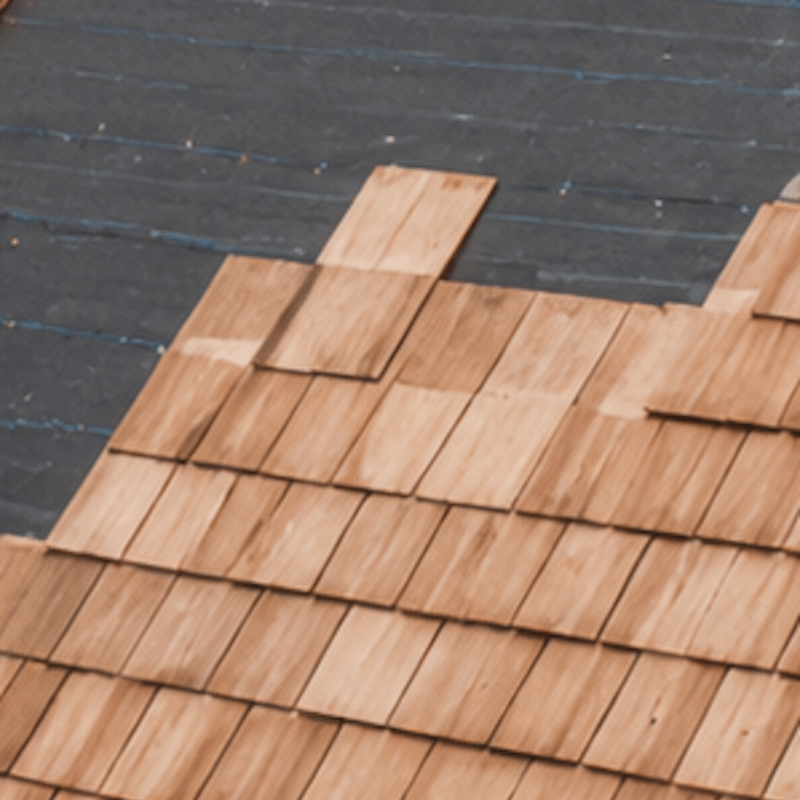
Cedar shakes are made from real wood, so no two pieces look exactly the same. Grain direction, texture, thickness, and color vary across the roof. That gives cedar a less uniform appearance than manufactured roofing products. Homeowners who want a traditional roof often prefer that variation.
More Texture and Depth
Cedar shakes are thicker than standard asphalt shingles. Their edges and surface variation create stronger shadow lines across the roof.
That difference is easier to see on steep roof sections and larger roof planes. Cedar is often chosen for homes where the roof is highly visible from the street or where a flat, uniform roofing material would change the character of the exterior.
Cedar Changes Color as It Ages
New cedar does not keep the same color for its entire service life. Sun, rain, moisture, and exposure gradually change the wood. Untreated cedar often moves from brown and reddish tones toward gray or silver. Homeowners should decide whether they like that weathered appearance before choosing the material. Treatment and maintenance options differ depending on the cedar product and the appearance the homeowner wants to preserve.
Cedar Is a Natural Roofing Material
Cedar appeals to homeowners who prefer real wood over manufactured roofing products. Material sourcing also matters. Cedar is available in different grades and from different suppliers, so the quality of the product should be considered along with price. IBC Roofing will explain the cedar options available for the project rather than treating every wood roof as the same product.
Our Cedar Shake Roof Installation Process
A cedar roof should be planned around the house rather than treated as a direct swap for the old roofing material.
Step 1: Roof Inspection
We start by inspecting the existing roof. The inspection covers the visible roofing, roof deck condition, flashing, ventilation, drainage, and areas around chimneys or other penetrations. We also look for signs of moisture damage that need to be addressed before the new roof is installed.
Step 2: Cedar Material Selection
The next step is choosing the type of cedar roofing. We review shake and shingle profiles, available grades, thickness, exposure, and the appearance the homeowner wants. If the property has HOA rules or architectural requirements, those should be checked before materials are ordered.
Step 3: Tear-Off and Deck Preparation
The existing roofing is removed so the roof deck can be inspected directly. Soft, damaged, or deteriorated decking is replaced where needed. This creates a sound surface for the new roof assembly. Any hidden conditions found during tear-off are documented and discussed before additional work moves forward.
Step 4: Underlayment and Ventilation
The underlayment and ventilation system are prepared for the cedar installation. Wood roofing needs proper airflow and drainage. The exact assembly depends on the roofing product, roof design, and manufacturer requirements.
Step 5: Cedar Installation and Flashing
The cedar is installed according to the selected product requirements. Particular attention goes to valleys, chimneys, sidewalls, skylights, plumbing penetrations, and roof transitions. These are common locations for leaks when flashing is poorly installed. Fasteners, spacing, and exposure are also matched to the roofing system.
Step 6: Final Inspection and Cleanup
The completed roof is inspected before the project is closed out. We check finished roofing, flashing details, roof penetrations, and the work area around the home. Debris and roofing materials are removed from the property. The homeowner receives the applicable warranty and maintenance information for the roof.
Cedar Shake Roofing for Historic and Traditional Richmond Homes
Cedar is often considered for older or traditional homes because the material works with architectural styles that use more texture on the exterior.
That does not mean cedar is automatically approved for every historic property. Some Richmond-area properties fall under historic district rules, HOA guidelines, or architectural review requirements. Those rules sometimes limit roofing materials, colors, profiles, or visible exterior changes. Check those requirements before ordering roofing material.
If cedar is permitted, the next step is confirming that the roof itself is suited to the material. IBC Roofing will inspect the existing system and explain any roof preparation that needs to happen before installation.
Is Cedar Shake Roofing Right for Your Richmond Home?
Cedar is a premium roofing option, but it is not the best material for every property. Before choosing cedar, homeowners should consider appearance, maintenance, budget, roof design, tree coverage, and long-term expectations.
If minimizing maintenance is your highest priority, another roofing material may be more appropriate. IBC Roofing can explain the advantages and tradeoffs of cedar along with other options so you can make a decision based on your home and priorities.
Cedar Shake Roofing From IBC Roofing
A cedar roof is a significant investment in your home. Choosing an experienced roofing contractor helps protect that investment from the beginning. IBC Roofing serves homeowners throughout Richmond and nearby communities with professional roofing installation, replacement, inspection, and repair services. We focus on giving homeowners clear information about the condition of their roofs and the options available to them.
Cedar Roofing FAQs — Richmond, VA

Jed & Rachel Snead, Owners of IBC Roofing Richmond
How Long Does a Cedar Shake Roof Last?
A cedar shake roof does not have a fixed lifespan, but it typically lasts for 30-50 years.
Service life depends on the quality of the cedar, installation, ventilation, moisture exposure, roof orientation, and maintenance. A roof that stays damp or has poor airflow will age differently from one that dries quickly after rain. Age alone also does not tell you whether an existing cedar roof needs replacement. A roof inspection gives a better picture. The condition of the shakes, flashing, roof deck, and previous repairs shows whether the system still has useful service life left. If only a small area is damaged, repair could remain practical. Widespread deterioration across several roof planes points toward replacement.
How Much Does a Cedar Shake Roof Cost in Richmond?
Cedar shake roofing typically costs between $15 and $30 per square foot installed. For a Richmond home with about 2,000 square feet of roofing, that puts the typical replacement cost between $30,000 and $60,000.
Cedar shake roofing usually costs more than an asphalt shingle roof because the material costs more and the installation takes more labor. The final price depends on a variety of factors, including:
- Total roof size
- Roof pitch
- Number of valleys and roof transitions
- Cedar type and grade
- Shake or shingle profile
- Existing roof removal
- Deck repairs
- Chimneys and other penetrations
- Flashing requirements
- Ventilation work
- Access around the home
The only accurate way to price the project is to inspect the roof and determine what the installation actually requires. IBC Roofing provides a written estimate after the roof has been inspected and these conditions have been evaluated.
IBC Roofing Richmond offers financing through GreenSky for qualified homeowners. Financing gives homeowners another way to plan for the cost of a full roof replacement instead of paying the entire project amount at once. Terms and approval depend on the financing program and applicant.
Do Cedar Shake Roofs Require Maintenance?
Yes. Cedar roofs need periodic inspections, debris removal, and repair of damaged shakes. Homes with heavy tree coverage or shaded roof sections often need more attention because those areas stay damp longer.
Can Individual Cedar Shakes Be Repaired?
Yes. Individual shakes are often replaced when damage is limited and the surrounding roofing is still in good condition. Widespread splitting, decay, or repeated leaks usually calls for a broader evaluation.
Get a Cedar FREE Shake Roof Evaluation in Richmond
If you are considering cedar for a new roof, start with a FREE evaluation of your roof’s current condition. IBC Roofing Richmond will inspect the existing roofing system, review the roof deck and ventilation, and explain what needs to happen before cedar is installed. If you already have a cedar roof, we will determine whether damaged areas are repairable or whether the roof is ready for replacement. You will know what we found, what work is recommended, and what the project will cost before the job starts.
Schedule a free roof inspection with IBC Roofing Richmond to discuss cedar shake roofing for your home.