
Emergency Roof Tarping Services in Richmond, VA
IBC Roofing provides emergency tarping services in Richmond, VA, for residential and commercial properties. Our team assesses the damage and secures exposed roof areas until permanent repairs can be completed. If your roof is open, leaking, or damaged after a storm, call IBC Roofing.
Get a Free Inspection
By submitting this form I acknowledge that IBC Roofing may contact me about its services through various automated and recorded means, including telephone, text, and email.
Emergency Roof Tarps for Richmond Homes and Businesses
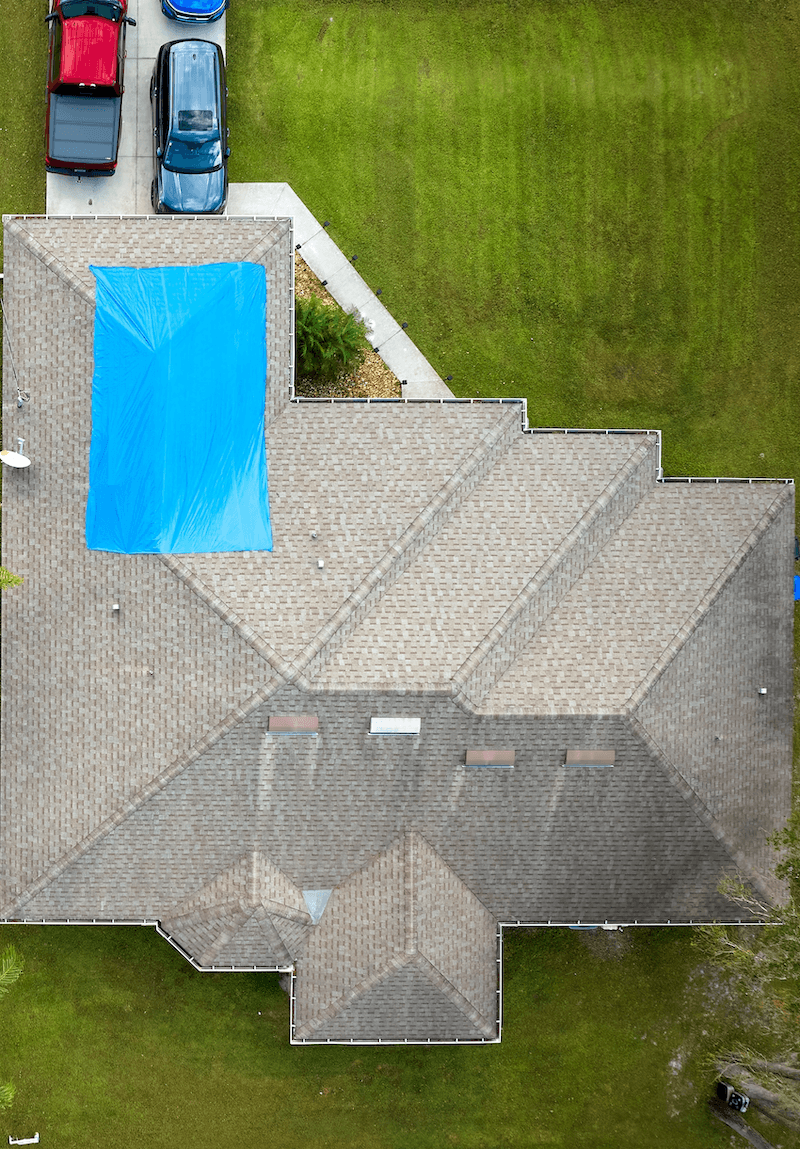
An exposed roof requires immediate attention to prevent further damage. Even a small opening can allow rain to reach the roof deck, attic insulation, ceilings, drywall, and wood framing. Water may also travel away from the original opening, making the source of an interior leak difficult to identify.
IBC Roofing offers emergency roof tarping throughout Richmond and surrounding Central Virginia communities. Emergency roof tarping covers the damaged section and helps limit additional water entry. Heavy-duty tarps are secured over exposed areas while the roof is inspected and a permanent repair plan is prepared.
Tarping is a temporary protective measure. The damaged roofing materials still need to be repaired or replaced. The purpose of the tarp is to protect the property during the time between the initial damage and the completed roof work.
Our Roofing Testimonials & Reviews
When Is Emergency Roof Tarping Needed?

Missing or Blown-Off Shingles
Strong wind can loosen, lift, or tear shingles away from the roof. Once the shingles are gone, the underlayment and roof deck have less protection against rain. One missing shingle may lead to a localized leak. A large exposed section can allow water to spread throughout the attic. Covering the damaged area helps protect the roof until replacement shingles and other materials are ready.
Fallen Trees and Branches
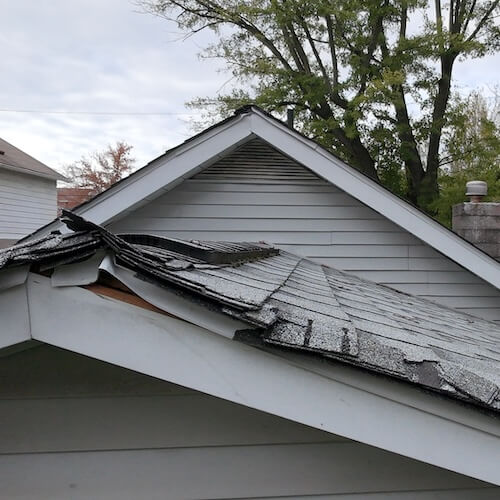
Heavy limbs can crack shingles, bend metal panels, damage flashing, or puncture the roof deck. Large trees may also affect rafters and other structural components. Stay away from rooms beneath a fallen tree or visibly sagging roof. Structural damage must be assessed before anyone enters the affected area or walks on the roof. IBC Roofing can inspect accessible sections and determine whether emergency tarping can be installed safely.

Active Roof Leaks
Water dripping from a ceiling often means that moisture has already passed through several layers of the roofing system. The visible drip may be located several feet from the roof opening because water can travel along decking, rafters, pipes, and insulation. Emergency tarping can reduce additional rain entry while the source of the leak is evaluated. Materials that are already wet may continue releasing moisture after the tarp is installed. Interior drying and repairs may also be needed.

Hail and Wind Damage
Richmond storms can produce high winds, hail, and heavy rain. Wind may lift shingles, loosen ridge caps, pull flashing away from walls, or damage roof edges. Hail can crack shingles and knock away the protective granules on their surfaces. Some storm damage is difficult to see from the yard. A professional roof inspection can identify exposed areas and determine whether temporary protection is needed.
What to Do When Your Roof Is Damaged
Your safety comes first. Keep everyone away from sagging ceilings, standing water, broken glass, fallen trees, and exposed electrical components. Leave the building and contact emergency services if there is a risk of fire, electrical shock, or structural collapse.
If the building is safe to occupy, move furniture, electronics, inventory, and other valuables away from the leaking area. Place buckets beneath active drips and use towels to limit the spread of water.
Take photographs or video from a safe location. Document visible exterior damage, interior water stains, damaged property, and the surrounding area. These records may be useful when you contact your insurance company.
Avoid climbing onto the roof yourself. Wet and damaged roofing surfaces can be unstable. Loose shingles, concealed openings, and strong wind increase the risk of a fall. Contact IBC Roofing so a trained crew can assess the roof and determine the safest way to protect it.

Our Emergency Roof Tarp Installation Process
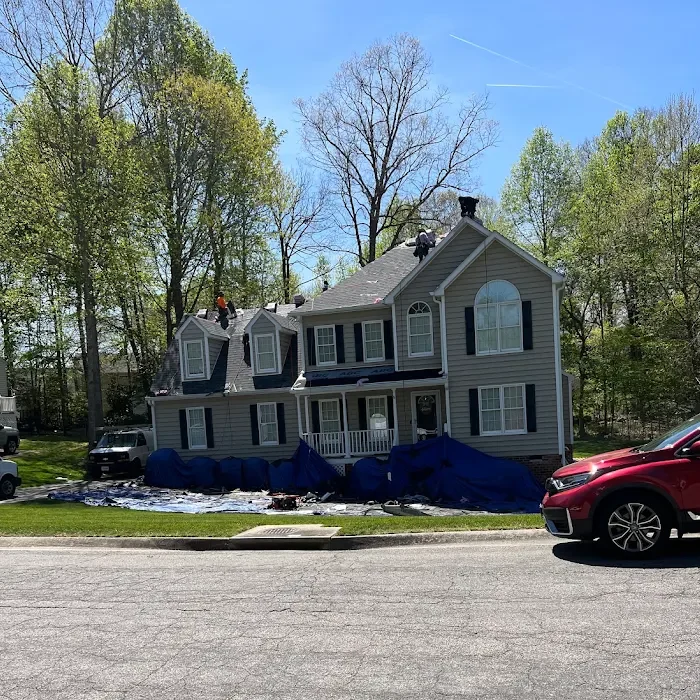
Every roof emergency is different. IBC Roofing uses a clear process to identify immediate risks, protect exposed areas, and prepare the property for permanent repairs.
1. Initial Damage Assessment
Our team inspects the accessible sections of the roof and affected interior areas. We look for missing materials, exposed decking, punctures, active leaks, loose flashing, and possible structural damage.
The inspection helps us determine the size of the affected area and whether the roof can be accessed safely. Severe weather, electrical hazards, fallen trees, and structural instability may affect when and how temporary protection can be installed.
2. Temporary Roof Stabilization
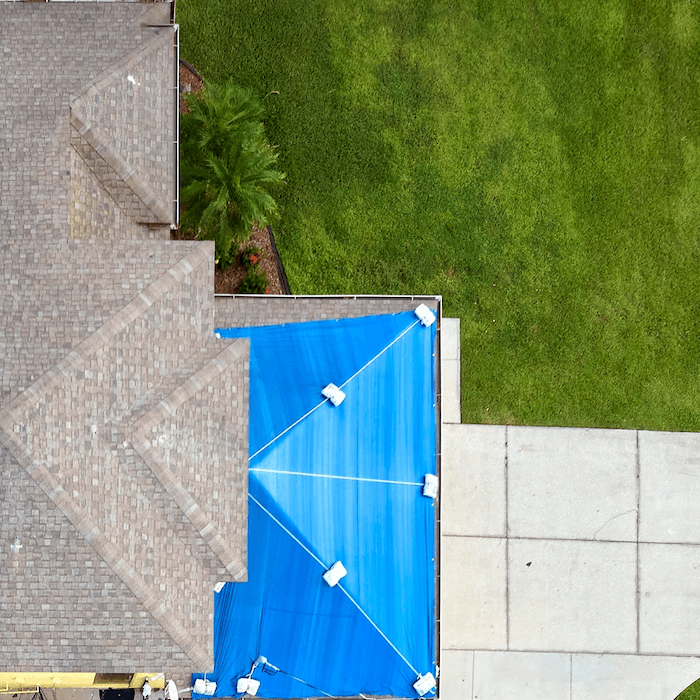
When conditions allow, we position heavy-duty tarping over the damaged section. The tarp must extend beyond the opening and be secured well enough to resist wind and rain.
Proper placement matters. A loose tarp may allow water underneath or become detached during another storm. Our crew selects a securing method based on the roof type, the extent of the damage, and the areas that remain structurally sound.
3. Damage Documentation
IBC Roofing photographs visible roof damage and records the condition of the affected areas. Documentation may include missing roofing materials, punctures, damaged flashing, exposed decking, and interior signs of water intrusion.
These records can help the property owner explain the loss to an insurance adjuster. They also provide useful information when preparing the repair or replacement estimate.
4. Repair Recommendation
Once the immediate opening is protected, we explain what we found and recommend the next step. Some roofs need a localized repair. Others have widespread damage that makes replacement the more practical option.
Our recommendation considers the age of the roof, condition of nearby materials, extent of the storm damage, and possibility of hidden problems beneath the surface.
5. Permanent Roof Work
The tarp remains in place while materials, insurance decisions, and repair scheduling are addressed. When the permanent work is ready to begin, the temporary covering is removed and the damaged roofing system is repaired or replaced.
Storm Damage Roof Insurance Claims
Wind, hail, and falling debris may be covered by homeowners or commercial property insurance. Coverage depends on the policy, cause of the damage, condition of the roof, and other factors. Your insurance carrier makes the final coverage decision. Many policies require property owners to take reasonable steps to limit additional damage after a covered event. Emergency tarping may help meet this responsibility by covering the roof opening while the claim is reviewed. Keep photographs, written assessments, estimates, invoices, and receipts related to the emergency. Record when the damage occurred and when you contacted your insurer and roofing contractor. IBC Roofing can provide photos of visible damage, a written assessment, and an estimate for the recommended roof work.Why Choose IBC Roofing for Roof Tarping Services?
IBC Roofing is a local, family- and woman-owned roofing contractor serving Richmond and the greater Central Virginia area. Our team brings more than 50 years of combined roofing experience to residential and commercial projects.
We work with asphalt shingles, metal roofing, synthetic slate, and flat roofing systems. This experience helps us identify damage across several roof types and select an appropriate temporary protection method.
IBC Roofing holds Virginia contractor license #2705186778 and carries liability insurance. We are also a CertainTeed ShingleMaster credentialed contractor. Manufacturer training and roofing experience support accurate inspections and dependable repair recommendations.
Customers receive a clear explanation of the roof damage and available options. We document the affected areas, explain what the tarp can protect, and provide a plan for permanent repairs.
Frequently Asked Questions — Richmond, VA
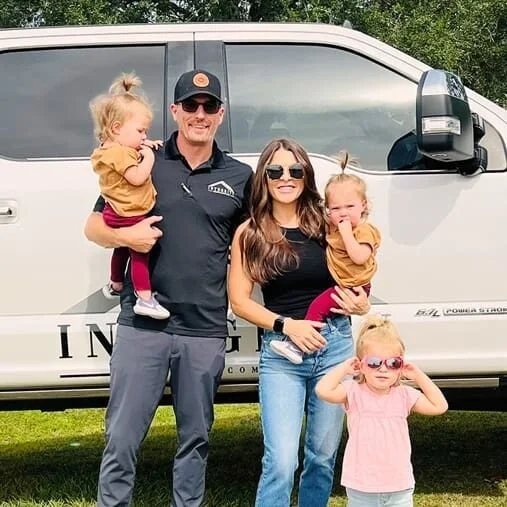
Jedd & Rachel Snead, Owners of IBC Roofing Richmond
Can roof tarping stop water damage?
Properly installed tarping can reduce rain entering through a covered opening. It cannot remove water that has already entered the roof, attic, walls, or insulation. Wet insulation may hold moisture for an extended period. Drywall can remain damp after an active leak stops. Water may continue moving along framing and appear in another part of the building.
After the roof is secured, inspect the interior for moisture. Depending on the amount of water involved, the property may need professional drying, insulation replacement, drywall repair, or an electrical inspection. Quick action can reduce the affected area. It also gives the roofing contractor a better chance to inspect the original source before the damage spreads.
How quickly can IBC Roofing tarp my damaged roof?
Response time depends on your location, current weather, crew availability, and the number of emergency calls following a storm. IBC Roofing prioritizes urgent problems involving active leaks and exposed roofing. Call (804) 717-7663 for a current response estimate.
Can a roof be tarped while it is raining?
Roof access depends on wind, lightning, rain intensity, roof pitch, and structural conditions. Crews may need to wait until the roof can be accessed safely. We will assess the situation and determine which temporary protective steps are possible.
How long can an emergency roof tarp stay in place?
A professionally secured tarp may last for several weeks or longer under normal conditions. Sun, wind, rain, and later storms can shorten its service life. Schedule permanent repairs promptly and contact IBC Roofing if the tarp becomes loose or damaged.
Will tarping stop an active roof leak?
Tarping can reduce new water entering through the covered section. Moisture already inside the roofing system may continue traveling through insulation and framing. Additional leaks may also exist outside the covered area, which is why a complete inspection is important.
Does homeowners insurance cover emergency roof tarping?
Some policies cover reasonable temporary measures used to protect a property after wind, hail, or falling-debris damage. Coverage varies by policy and cause of loss. Contact your insurer to confirm coverage and keep all invoices and damage documentation.
Call IBC Roofing for Emergency Roof Tarping Around Richmond, VA
An exposed roof can allow water to spread through the building each time it rains. Covering the damaged area quickly can limit further damage while you arrange permanent repairs. IBC Roofing provides emergency tarping for homes, businesses, rental properties, HOAs, and multi-family buildings throughout the Richmond area. We will assess the immediate risk, protect accessible roof openings, document the damage, and explain what needs to happen next. Call us to request emergency tarping services in Richmond, VA, or contact IBC Roofing to schedule an urgent roof inspection.