
Missing shingles, leaking chimney flashing, cracked pipe boots, and loose ridge caps are among the roof repairs we handle at IBC Roofing Richmond. Some repairs involve a small component. Others require opening an affected section to assess the wood beneath it.
When you show us a ceiling stain, we use it to start tracing the water path. We check the roofing above and around that area, along with interior evidence when access is available. Before recommending work, we want to establish where water enters and how much of the roof is affected. Here is what we inspect during common repair jobs and how those findings shape our recommendations.
Why Roof Problems Develop in Richmond
Richmond roofs face heavy rain, wind, summer heat, and cold winter weather. Storm damage is one reason for a repair call. Worn materials and installation defects also create openings that become apparent during rain. The details of your home matter to our inspection. A roof with a brick chimney, dormers, and a low-slope addition has several different water-shedding details to check. Each junction needs roofing and flashing suited to its location.
We also consider tree debris and drainage. If leaves collect in a valley or water backs up at the roof edge, that area deserves attention alongside the reported leak. Tell our team when the problem started and what changed around that time. A leak that began after a fallen limb needs a different investigation from one that appears only during wind-driven rain.
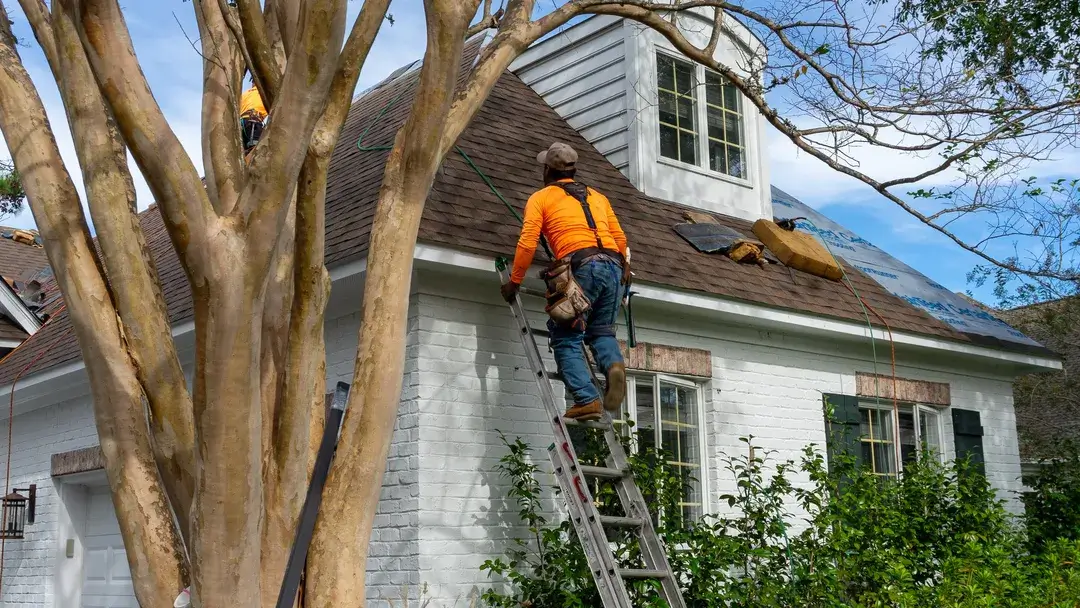
Common Roof Repairs and What They Involve
Replacing Missing or Damaged Shingles
A shingle on the lawn is a clear reason to contact us. The inspection still needs to establish which part of the roof it came from and whether nearby shingles are damaged. We check the affected slope for displaced roofing and signs that surrounding materials have been compromised. The condition of the neighboring shingles matters because they need to be handled during the repair.
For example, replacing a damaged shingle on a roof with flexible, serviceable materials is a different job from repairing a patch surrounded by brittle shingles. If the surrounding roofing breaks during handling, the work extends beyond the original opening. Our recommendation accounts for that condition. We explain which materials need replacement and whether the damage appears isolated.
Attachment and sealing also belong in the repair. The replacement must fit the roofing system and follow its manufacturer’s installation requirements. Tell us if you have leftover shingles from the original installation; we will assess whether they are suitable for the proposed work.
Repairing Chimney and Roof-to-Wall Flashing
Chimneys and roof-to-wall joints are among the areas we inspect during a leak investigation. These locations contain several places where water must pass from one surface onto another without entering the building. Step flashing works with successive shingle courses along a wall. Counterflashing protects the upper flashing edge, often where it meets chimney masonry. We inspect how those components fit together, along with their condition.
If you have a stain beside a chimney, we check the roofing and flashing farther up the slope as well. Water entering above the stain could travel before reaching the room below. We also examine previous repairs. A buildup of roof cement tells us that an area has received attention, but the flashing beneath it still needs assessment. Loose metal, corrosion, or an open joint calls for work suited to that defect. When we explain a chimney repair, we identify the failed detail and the surrounding roofing that needs to be disturbed. That gives you a clearer understanding of the scope than a recommendation to seal the area alone.
Replacing Cracked Pipe Boots and Repairing Roof Vent Leaks
The collar around a plumbing vent pipe is a small component with a direct role in keeping water out. On boots with flexible seals, age and weather exposure lead to deterioration and cracks. An otherwise intact-looking roof still needs its pipe penetrations checked during a leak inspection. A split collar is difficult to spot from the ground.
We inspect the seal and the base flashing, then assess the nearby roofing. If moisture has reached the decking, replacing the boot addresses only part of the required work. Consider a leak around a bathroom plumbing vent. The repair recommendation depends on whether the boot has failed, how its flashing is installed, and whether water has damaged the wood beneath it.
Repairing Leaks in Roof Valleys
Roof valleys collect runoff where two slopes meet. They carry water from a larger area of roofing, which makes their drainage and installation details important. During a valley inspection, we look at the water path and the materials that form it. Debris buildup, damaged shingles, and failed flashing require different responses.
If leaves have blocked drainage, the condition of the roofing beneath them still needs checking. If the valley itself has failed, the repair must address the affected materials and follow the requirements for the shingle type. Our recommendation will explain whether the work concerns drainage, damaged roofing, or the valley’s construction. It also needs to account for roofing on both sides of the channel.
Fixing Skylight Leaks
When you contact us about water around a skylight, tell us where it appears and when. Water during a storm and moisture forming on cold glass during dry weather point to different conditions.
Our inspection includes the surrounding roof, the skylight flashing, and the unit itself. Roofing above the opening also deserves attention because water travels before becoming visible indoors. A flashing defect calls for a flashing repair. Damage within the skylight assembly requires assessment of the unit. Skylight condensation involves indoor humidity and temperature differences, so the response needs to address those conditions.
For example, moisture on the glass after a hot shower gives us different information from a stain that grows during rain. Discuss those observations with us before deciding that the whole skylight needs replacement. We will explain what the inspection indicates and which repair options fit the problem.
Repairing Nail Pops and Loose Ridge Caps
Raised spots beneath shingles deserve a closer look. An improperly driven fastener or movement in the roof deck contributes to nail pops. A raised nail interferes with sealing or damages the shingle above it. We assess the attachment issue and the condition of the affected roofing. The repair needs to address both.
Along the ridge, we inspect the cap shingles that protect the top junction between roof slopes. A missing cap leaves an exposed area, while loose caps require checking for secure attachment and nearby damage. If you notice raised shingles or loose roofing at the ridge, show us photos taken from a safe location. We will inspect that section and explain whether the repair is confined to the visible defect or includes adjacent materials.
Replacing Water-Damaged Decking, Fascia, and Soffits
Roof decking supports the roofing. Fascia sits along the roof edge, and soffits cover the underside of the eaves. We distinguish those components when explaining moisture damage because the work involved differs.
A leak that has damaged decking requires an assessment beneath the roof covering. The visible opening provides a starting point, but the extent of wood damage affects the repair scope. At the roof edge, we also examine drainage and nearby roofing details. Replacing deteriorated fascia while leaving a water-entry problem unresolved exposes the new material to further damage.
IBC’s roof repair inspections include fascia, soffits, and ventilation concerns. Our recommendation should connect the damaged component with the condition that needs correction.
Repairing Flat and Low-Slope Roofs
A low-slope addition needs a different repair approach from the shingle roof above it. We inspect the membrane, seams, edges, and penetrations, along with the route water takes toward drainage points. IBC Roofing Richmond provides membrane, seam, and flashing repairs, as well as drainage corrections. The existing roof system determines which repair materials and methods are suitable.
For example, an open seam and a puncture are distinct defects. Standing water around either one adds another condition to investigate. Our assessment needs to cover the damaged surface and the reason water continues to collect there. We also evaluate the roof before recommending a coating. Wet insulation, active leaks, and badly deteriorated materials need attention before coating becomes a suitable option. If you have a leak where an addition meets the main house, tell us about that location when you contact us. The transition between the two roofing systems belongs in the inspection.
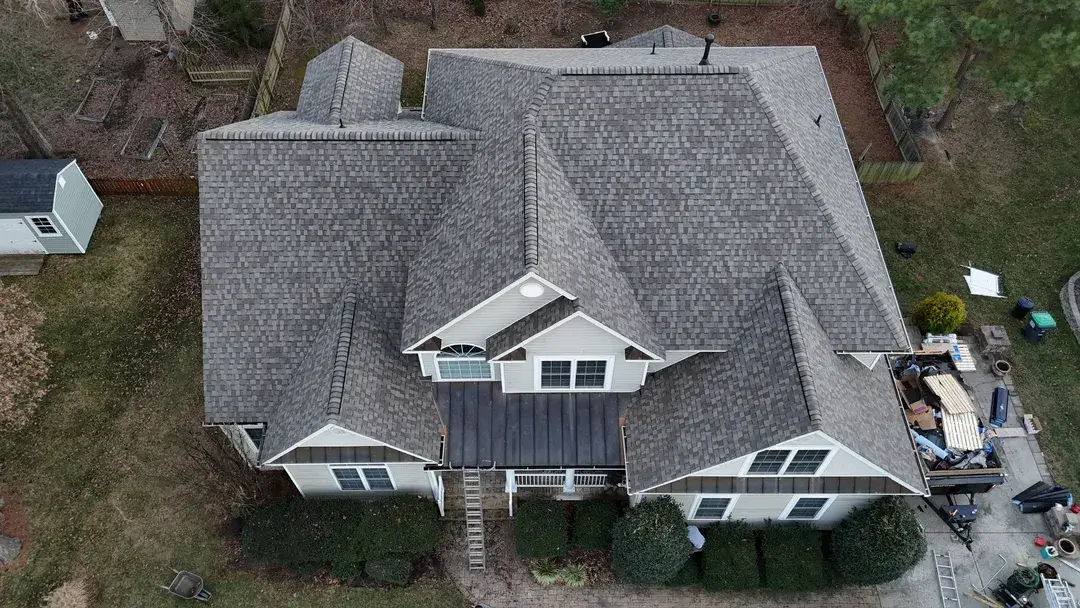
Signs Your Roof Needs a Repair
You do not need to identify the failed component before calling IBC. Describe what you see and when it happens. We will use those details to guide the inspection.
| What You Notice | What Our Team Checks |
| A new ceiling stain or dripping water | The water path and roofing above and around the room |
| Shingles on the ground | The affected slope and neighboring materials |
| Water beside a chimney or skylight | Flashing, surrounding roofing, and the opening itself |
| Damp attic insulation | The entry point and extent of moisture exposure |
| Raised shingles or loose ridge caps | Fasteners, attachment, and adjacent roofing |
| Deteriorated fascia or soffits | Roof-edge details, drainage, and moisture sources |
Photos taken from indoors or the ground are useful. Include older photos if they show how a stain or damaged area has changed. Stay off a wet or damaged roof.
How IBC Roofing Inspects and Repairs Your Roof
We begin with your observations and the affected area. For a leak, attic evidence helps us trace the water path when access is available. Tell us about earlier repairs, even if you do not have the paperwork. Knowing that an area has leaked before helps us understand the history of the problem.
Show You the Findings and Explain the Scope
We document roof conditions with photos and explain our recommendations. You receive a written, itemized estimate before work starts. IBC Roofing Richmond is a CertainTeed ShingleMaster credentialed contractor. Our repair work follows the applicable manufacturer installation requirements for the system involved. During the estimate review, talk with us about the reason for each part of the proposed work. We will explain what the repair addresses and any wider roof conditions that affect your decision.
Review the Completed Work With You
After the repair and cleanup, we review the work with you. This is also the time to discuss maintenance and signs to watch for afterward. If you have questions about the repaired area, bring them to our team so we can answer them in the context of your roof.
When Does Roof Repair Make More Sense Than Replacement?
We assess whether the damage is limited and whether the surrounding roof remains serviceable. A failed boot or an isolated damaged section often supports a localized repair. Widespread deterioration, recurring leaks in several areas, and extensive underlying damage require a broader assessment. Two roofs of the same age might need different work. Their materials, installation, and exposure affect their condition. That is why we inspect your roof before recommending how to proceed. If we recommend replacement, we will walk you through the findings behind that recommendation.
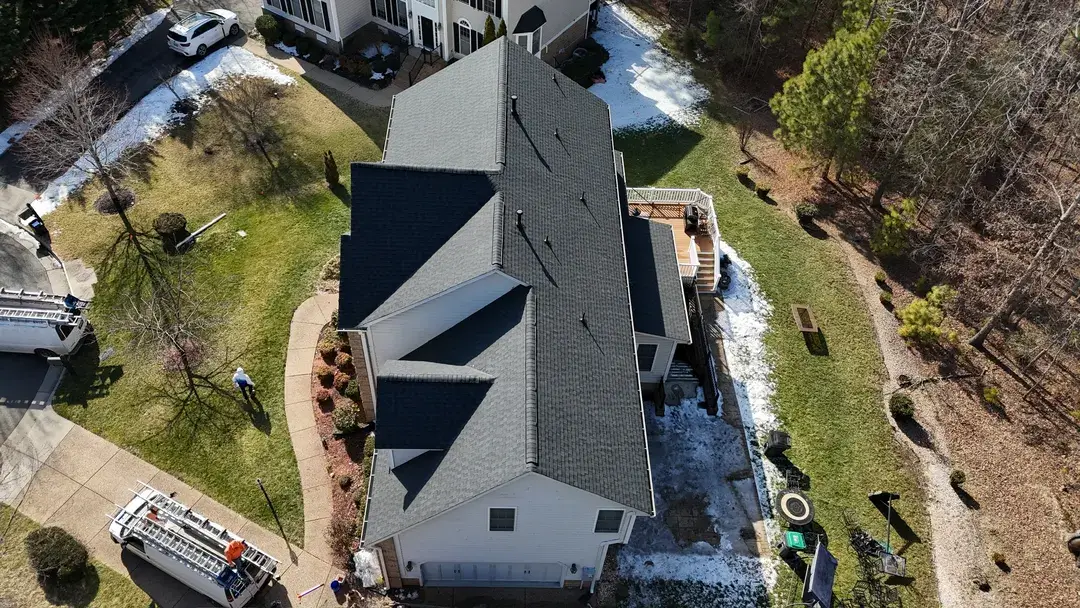
What Affects Roof Repair Costs in Richmond?
We base the repair estimate on the work your roof needs. Replacing a pipe boot requires a different scope from opening roofing around a chimney or replacing damaged decking. Factors affecting the price include:
- Roof pitch and safe access.
- The roofing material and available replacement products.
- The size of the affected area.
- Flashing details and roof layout.
- Damage beneath the visible roofing.
When we review your estimate, discuss the scope with us. We will explain the materials and work included. If you are concerned about hidden damage, raise that question with our team before the repair begins. We will discuss what the inspection has established and how findings beneath the roofing affect the proposed work.
When a Roof Problem Needs Emergency Attention
Active water entry, exposed decking, and storm-created openings need prompt assessment. Contact us if a fallen branch has punctured your roof or rain is entering through a damaged section. IBC Roofing provides emergency roofing services, including temporary leak control and tarping when needed. Temporary protection limits further exposure while permanent repairs are arranged. When you call, describe whether water is actively entering and whether part of the roof is open. Photos from a safe location help our team understand the situation. Move belongings away from dripping water where safe. Keep clear of sagging ceilings, affected electrical fixtures, damaged roof sections, and fallen limbs.
Schedule a Roof Repair Inspection With IBC Roofing Richmond
A repair recommendation should explain what has failed and how the proposed work addresses it. At IBC Roofing Richmond, we inspect your roof, document our findings, and review the options with you. We serve Richmond and nearby communities, including Henrico, Chesterfield, Midlothian, and Bon Air. Bring us your leak concerns, photos, and questions so we can provide recommendations based on your roof.