
Roof problems rarely improve on their own. A loose shingle, cracked pipe boot, or small flashing gap may not seem urgent when there is no water dripping from the ceiling. But even a small opening allows moisture into the roofing system each time it rains.
Over time, that moisture damages roof decking, insulation, ceilings, and other parts of the home. What could have been a relatively simple roof repair may eventually require much more extensive work. For homeowners in Richmond, catching these problems early is one of the best ways to limit roof damage and avoid unnecessary repair costs.
1) Missing or Loose Shingles
A few missing shingles may not look like a major roofing problem. However, shingles form the roof’s primary defense against rain, wind, and other weather. When a shingle is missing, the materials underneath receive greater exposure to the elements. Water may eventually find its way beneath the surrounding shingles and into the roof system.
When we inspect a roof after high winds, we are not only looking for shingles lying in the yard. We check for lifted edges, broken adhesive seals, creased shingles, exposed fasteners, and shingles that have shifted even though they have not completely blown off. That distinction matters. A shingle that has been lifted by wind may settle back into place and appear normal, but the seal may already be compromised.
When damage is limited, and the surrounding roof is still in good condition, replacing several shingles may be all that is needed. If water has already reached the decking or the same problem appears throughout the roof, the repair can become more involved.
2) Cracked or Damaged Shingles
Asphalt shingles crack as they age. Storms, falling debris, temperature changes, and physical damage also cause individual shingles to split or break. Even a narrow crack creates a path for water. Repeated exposure to rain gradually affects the underlayment and decking beneath the damaged area. Homeowners may be able to identify severely cracked or broken shingles from the ground. A professional roof inspection provides a closer look at questionable areas and determines whether individual shingles need to be replaced.
When we find a damaged shingle, we look at the surrounding area as well. Is the damage isolated? Are nearby shingles brittle? Is there exposed fiberglass? Are fasteners visible? Is there evidence that water has been moving underneath the shingles? Those details help determine whether replacing one or two shingles is a reasonable repair or whether the visible damage is part of a larger deterioration problem.

3) Small Roof Leaks
A small roof leak can become one of the most expensive problems to ignore. Water doesn’t always drip straight down from where it enters the roof. It travels along roof decking, rafters, pipes, and other building materials before becoming visible inside the house.
Finding the source of a roof leak early contains the repair area before water has an opportunity to spread. By the time a ceiling stain appears, moisture may already have affected several areas of the roofing or attic system. An unresolved leak contributes to damage involving:
- Roof decking
- Attic insulation
- Drywall
- Ceilings
- Wood framing
- Paint and interior finishes
4) Loose or Damaged Roof Flashing
Flashing helps protect some of the most vulnerable areas of a roof. It is commonly installed around chimneys, walls, valleys, dormers, skylights, and other transitions. If flashing becomes loose, corroded, bent, or separated from the surrounding materials, small openings can develop. Those openings allow rainwater beneath the roof covering. Flashing problems also develop when old sealants crack or pull away from roofing materials.
We frequently see DIY flashing repairs where someone previously tried to solve a leak by applying another layer of roofing cement or sealant. Sealant has appropriate uses, but it should not be used to replace correctly installed flashing. If flashing has pulled away, corroded, shifted, or been installed incorrectly, simply covering the area with more caulk may hide the problem temporarily without correcting how water is entering. Our approach is to determine why the flashing is leaking. In some cases, a small repair or resealing may be appropriate. In others, flashing needs to be removed and installed correctly so water is directed over the roofing materials instead of behind them.
5) Cracked Pipe Boots
Plumbing vents extend through the roof, creating penetrations that need to remain watertight. Pipe boots are installed around these penetrations to keep water from entering. Many pipe boots contain rubber components that deteriorate over time. Exposure to sunlight, heat, cold, and changing weather conditions eventually causes the material to crack.
A small crack around a plumbing vent may allow water to reach the surrounding roof deck whenever it rains. Because pipe boots are relatively small and located on the roof, homeowners may never notice the damage from the ground. In some cases, the first noticeable sign is a water stain inside the house.
6) Exposed or Backed-Out Roofing Nails
Roofing nails occasionally work their way upward. These are often referred to as nail pops. A raised nail lifts the shingle above it or leaves the fastener exposed to rain. Either situation creates a potential entry point for water.
When we find nail pops, we also try to determine why they occurred. Sometimes the issue is limited to an individual fastener. In other cases, we find improper fastening, movement in the decking, previous repair work, or nails placed where they should not have been exposed in the first place.
We see a similar problem around vents, flashing, ridge caps, and older repairs where exposed fasteners were covered with sealant. Rather than automatically adding another dab of roofing cement, we inspect the surrounding materials and correct the fastener or installation issue that caused the opening.
7) Loose or Damaged Ridge Caps
The ridge is the highest horizontal point where two roof slopes meet. Special ridge cap shingles are typically installed over this area. Because of their location, ridge caps have significant wind exposure. Individual pieces crack, loosen, or blow away during storms.
Missing ridge cap shingles leave portions of the roof ridge more exposed to rain. Loose pieces also continue deteriorating until they detach completely. Promptly repairing damaged ridge caps helps maintain protection along one of the roof’s most exposed areas.
8) Clogged or Poorly Draining Gutters
Gutters are part of the home’s overall roof drainage system. Their job is to collect runoff and direct it away from the structure. Leaves, twigs, roofing granules, and other debris restrict water flow. When gutters become clogged, water may overflow or collect along the roof edge.
Persistent moisture can cause health concerns and contribute to deterioration of fascia boards, soffits, and other materials near the eaves. Overflowing gutters also send large amounts of water directly alongside the foundation. Cleaning gutters and addressing drainage problems prevent a relatively simple maintenance issue from affecting other parts of the home.
9) Damaged Roof Vents
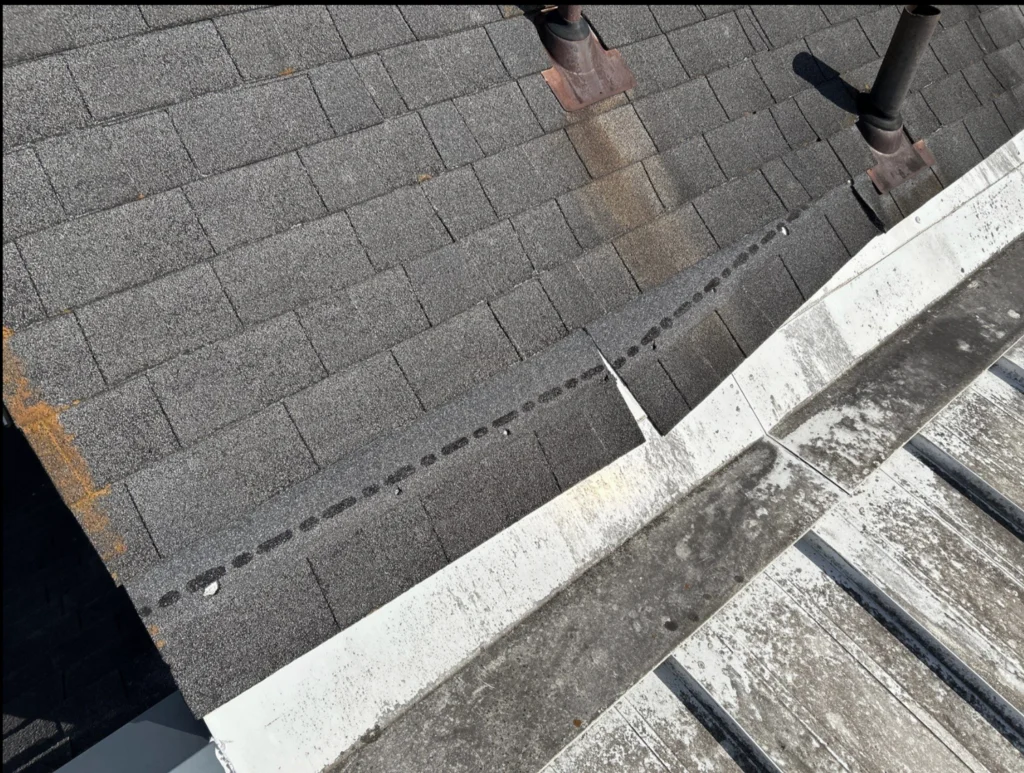
Every roof vent creates another opening through the roofing system, which means the vent and the materials surrounding it have to remain watertight. The visible vent cover is only part of what we inspect. During leak inspections, we sometimes find that the vent itself is cracked. Other times, the problem is the flashing below it, deteriorated sealant, exposed fasteners, or shingles that were cut or installed improperly around the vent.
We also examine how the vent integrates with the shingles, whether water has a clear path around the flashing, and whether there are signs of moisture on the roof deck below. This is another area where correcting the installation detail is usually more important than simply applying sealant around the outside.
10) Minor Storm Damage
Richmond homeowners are familiar with thunderstorms, high winds, falling limbs, and occasional hail. Storm damage is difficult because a roof can look fine from the yard and still have a problem. Some storm-related problems also take time to produce noticeable interior symptoms. After a significant storm, homeowners should look for shingles or roofing debris around the property. If you see roofing material in the yard or notice something different about the roof after a storm, an inspection can help determine whether the damage is cosmetic, repairable, or more extensive.
11) Excessive Granule Loss
Asphalt shingles are covered with protective granules. Some granule loss is normal, particularly with newer roofs or as shingles gradually age. Excessive granule loss indicates more advanced deterioration. Homeowners may notice large quantities of granules collecting in gutters and downspouts. Shingles may also develop thin or bald areas where the underlying material is more visible. As granule loss progresses, shingles have less protection from sunlight and weather exposure. Widespread deterioration may indicate that the roofing system is approaching the end of its service life.
12) Small Problems Around Chimneys and Skylights
Chimneys and skylights are some of the first places our team checks when a homeowner has a roof leak. We often find that the stain inside is not directly below the source. Water can enter higher on the roof, travel beneath the roofing material, and finally show up around a skylight or chimney. That is why IBC Roofing does more than seal the area where water appears. We inspect the flashing, surrounding shingles, roof-to-wall connections, and accessible attic space to trace the leak back to the actual entry point. Sometimes the fix is a small flashing repair. Other times, we uncover damaged decking, failed underlayment, or an older skylight that needs more than another layer of sealant.
What Happens When Minor Roof Damage Goes Unrepaired?
Roof damage often spreads beyond the original problem area. Water entering through one damaged shingle or flashing gap reaches the roof deck. The decking may absorb moisture and begin to deteriorate. Water then moves into insulation, framing, ceilings, and interior walls.
Wet insulation may lose some of its effectiveness. Drywall can stain, soften, or deteriorate. Wood components exposed to moisture for extended periods may also require repair or replacement. This is how a small roofing defect turns into a larger project. Early repairs are generally focused on the original problem. Delayed repairs may need to address both the roof and the secondary damage caused by water intrusion.
How Quickly Should You Fix a Small Roof Problem?
Address active leaks as soon as possible. The same applies to missing shingles, damaged flashing, cracked pipe boots, and other defects that could allow water into the roofing system. A small problem does not necessarily mean a roof replacement is required. It does mean the area should be inspected to determine the extent of the damage. Waiting for a small defect to become an obvious interior leak causes unnecessary damage.
Can a Small Roof Problem Be Repaired Without Replacing the Roof?
In many cases, yes. Localized roof problems can often be repaired without replacing the entire roofing system. A roofer may be able to replace individual shingles, repair flashing, replace a damaged pipe boot, or correct another isolated defect. The appropriate repair depends on several factors, including:
- Age of the roof
- Overall roof condition
- Extent of the damaged area
- Condition of the roof decking
- Number of active problem areas
- Previous repairs
- Remaining service life of the roofing materials
An older roof with widespread deterioration may require a different approach than a relatively new roof with one damaged area. A roof inspection determines whether a targeted repair makes sense or whether you should consider more extensive work.
How Regular Roof Inspections Can Prevent Expensive Repairs
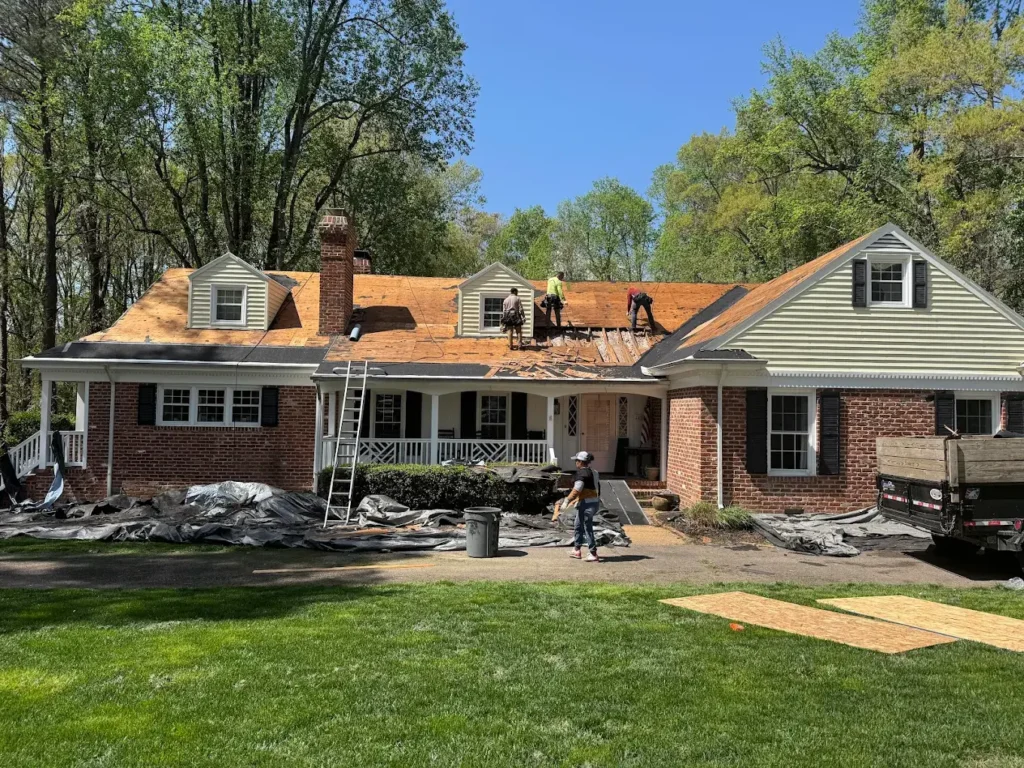
You do not have to wait until water reaches your ceiling to find roof damage. Periodic inspections will identify missing shingles, deteriorating flashing, damaged pipe boots, loose fasteners, aging sealants, and other problems before they produce obvious interior symptoms. Inspections are especially useful after major storms. High winds and hail affect roofing materials even when there is no immediate leak. Routine inspections also give homeowners a better understanding of the roof’s overall condition. That makes it easier to plan future maintenance, repairs, and eventual replacement.
Address Small Roof Problems Before They Become Bigger Repairs
A missing shingle or small leak might not seem significant today, but repeated exposure to water and weather can spread the damage. Addressing the source early protects the roof deck, attic, insulation, ceilings, and other parts of your home.
If you have noticed signs of roof damage, IBC Roofing will inspect your roofing system, identify the source of the problem, and recommend the appropriate repair. Contact IBC Roofing to schedule a roof inspection in Richmond, VA, and determine what your roof needs before a small problem becomes a more expensive one.