
Richmond is known for its historic architecture. From the row houses of Church Hill to the stately homes throughout the Fan, Museum District, and other established neighborhoods, many Richmond properties have stood for a century or more. In fact, the City of Richmond reports that nearly 23% of its buildings are more than 100 years old.
Maintaining these homes often requires a different approach than maintaining newer construction, especially when it comes to the roof. Older homes may have slate, metal, tile, or other traditional roofing materials. They also have complex rooflines, masonry chimneys, box gutters, aging roof decking, and architectural details that need to be protected during repairs. If you own an older or historic home in Richmond, understanding these differences helps you make better decisions about roof repairs and replacement.
What Makes Roofing a Historic Richmond Home Different?
A roof that has protected a home for several generations may have gone through numerous repairs, material changes, and renovations. The visible roofing material is only one part of the system. Historic homes have older roof decking, framing, flashing, gutters, and drainage systems that need evaluation before work begins. Dormers, chimneys, valleys, cornices, and low-slope porch roofs also create areas where water is more likely to enter.
Another consideration applies to properties located within one of Richmond’s City Old & Historic Districts. Certain exterior alterations may be subject to review by the city’s Commission of Architectural Review (CAR). Depending on the project, homeowners may need to preserve existing materials, replace materials in kind, or receive approval before making changes.
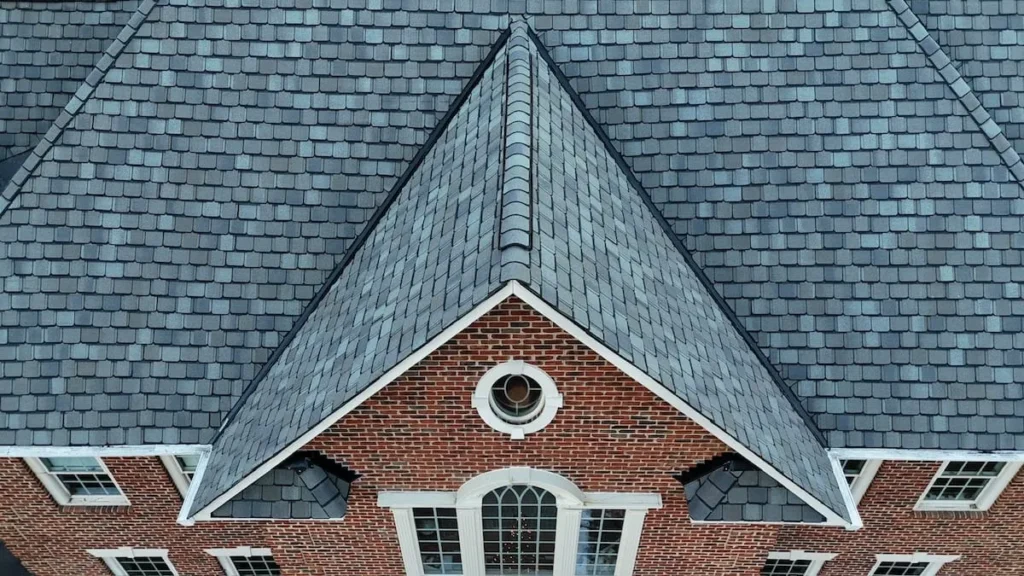
Common Roofing Materials on Historic Richmond Homes
Richmond’s historic housing stock includes several types of roofing. Understanding what is already installed on your home is an important first step when planning repairs.
Slate Roofing
Slate is one of the most recognizable roofing materials on older homes. Properly installed slate provides a long service life, which is why some Richmond homes still have portions of their original roofs. Individual pieces of slate will crack, loosen, or become damaged over time. Fasteners and flashing also deteriorate, sometimes even when much of the slate remains serviceable. When the surrounding roof is still in good condition, replacing individual slates may be an option. Select replacement pieces carefully to match the appropriate size, thickness, and appearance.
Metal Roofing
Metal has a long history on residential roofs, particularly on low-slope sections where other materials are less suitable. Historic homes may have standing-seam or flat-seam metal roofing on the main structure, additions, porches, or other sections of the property. Older metal roofs develop corrosion, open seams, damaged flashing, or failed coatings. The extent of the deterioration will help determine whether repairs or replacement make sense. Historic metal roofing can also differ substantially from many modern prefabricated metal roofing systems. Homeowners considering replacement should account for both the roof’s performance requirements and its architectural appearance.
Wood Shakes and Shingles
Wood shingles and cedar shakes appear on historic structures or on architectural details designed to replicate an older appearance. Moisture, biological growth, splitting, curling, and deterioration affect wood roofing as it ages. Proper drainage and ventilation are particularly important for extending its useful life. Before replacing an existing historic wood roof, homeowners should also determine whether preservation requirements or current building and fire codes affect the materials they can install.
Asphalt Shingles
Asphalt shingles are now one of the most common residential roofing materials, and they are found on many older Richmond homes that have been reroofed over the years. Architectural asphalt shingles or 3-tab shingles may be appropriate options for many older homes, particularly when the property is not subject to historic-preservation requirements. Properties within Richmond’s City Old & Historic Districts require additional consideration. Richmond’s historic district guidelines generally favor preserving original roofing materials and indicate that modern asphalt shingles are inappropriate for many historic structures covered by those guidelines.

Should You Repair or Replace a Historic Roof?
Age alone does not determine whether a historic roof needs replacement. The condition of the individual materials and the roofing system as a whole matters more.
Repair may be appropriate when deterioration is limited to specific areas of the roof. Examples include replacing a small number of damaged slate or tile pieces, repairing flashing, fixing localized metal seams, addressing chimney leaks, or replacing isolated sections of damaged decking. Targeted repairs extend the life of a serviceable roof while preserving original materials that remain in good condition.
Eventually, deterioration becomes too extensive for continued repairs to be practical. Widespread material failure, extensive corrosion, recurring leaks, deteriorated decking, significant structural problems, or numerous previous repairs may indicate that replacement is needed. Evaluate the existing roofing system as a whole before making that decision.
Why Preserving Original Roofing Materials Matters
Original roofing materials contribute to a historic property’s architectural appearance. Materials such as slate, tile, and traditional metal roofing may also have substantial useful life remaining. Preserving serviceable materials reduces unnecessary work and maintains the home’s historic character. For properties subject to Richmond’s historic preservation requirements, preserving or replacing original materials in kind may also be part of the city’s review process.
Richmond Historic District Roofing Requirements
Owning an old home and owning a home within a locally regulated historic district are not necessarily the same thing. Understanding your property’s designation is important before planning exterior roof changes.
Is Your Home in a City Old & Historic District?
Richmond has locally designated City Old & Historic Districts that are overseen by the Commission of Architectural Review. This designation is different from having a property listed on the National Register of Historic Places or Virginia Landmarks Register. National or state historic recognition alone generally does not impose the same local architectural-review requirements on privately owned properties. Homeowners should verify their property’s status with the City of Richmond before beginning work.
When Does the Commission of Architectural Review Get Involved?
The Commission of Architectural Review reviews certain exterior changes to properties within City Old & Historic Districts. Roofing work may require additional review if the project changes an existing roofing material or alters the structure’s appearance. Depending on the project, you may need a Certificate of Appropriateness. Richmond’s homeowner guidance states that roof replacement in a City Old & Historic District requires a building permit. Original materials such as slate, tile, and metal should generally be maintained or replaced in kind. Changing the roofing material requires CAR approval.
Repairing or Replacing a Historic Roof in Kind
“In kind” replacement generally means replacing a deteriorated material with the same or an appropriately matching material. For roofing, that might involve replacing damaged slate with compatible slate or replacing a traditional metal roof with a roofing system that maintains its important visual characteristics. If the original material is unavailable or no longer practical, homeowners may need to explore appropriate substitutes and determine whether approval is required before installation.
Can You Install Modern Roofing Materials on a Historic Home?
In many cases, yes. The appropriate material depends on the home’s existing roof, architectural style, structural requirements, and historic designation. An older home outside a regulated historic district may have more flexibility. Architectural asphalt shingles or modern metal roofing may provide practical options when a roof reaches the end of its service life.
Homes located within a City Old & Historic District require additional consideration. Changes that replace a traditional material with a different modern material may require CAR approval. Check the property’s status and applicable requirements before purchasing materials or scheduling installation.

Choosing a Roofing Contractor for a Historic Richmond Home
Historic homes have conditions uncommon on newer properties. A contractor experienced with older homes will identify these issues before work begins. Your roofing contractor should be prepared to evaluate the existing roofing system rather than assuming that complete replacement is automatically necessary. They should also understand how to work around chimneys, dormers, cornices, porches, built-in gutters, and other architectural features.
For homes within Richmond’s City Old & Historic Districts, homeowners should also work with a contractor who understands that local preservation requirements may affect the scope of the project and material selection.
Protect Your Richmond Historic Home With the Right Roof
The roof is one of the primary defenses protecting an older home from moisture. When roofing, flashing, or drainage systems fail, water can eventually affect roof decking, framing, masonry, insulation, ceilings, walls, and interior finishes. Addressing problems early preserves both the roof and the structure underneath it.
If you are concerned about the condition of your historic or older Richmond home, contact IBC Roofing Richmond to schedule a professional roof inspection. Our team will evaluate your existing roofing system, identify areas that need attention, and help you determine the appropriate next steps for repair or replacement.