
Replacing your Richmond home’s roof is a major home improvement project, so getting more than one quote will help you understand your options. However, comparing roof replacement quotes involves more than looking at which contractor has the lowest price.
Two contractors may provide quotes that differ by thousands of dollars while proposing very different roofing systems, materials, warranties, and scopes of work. One estimate might include new flashing, upgraded underlayment, and ventilation improvements, while another leaves those items out.
Before choosing a roofing contractor, take time to understand exactly what each quote includes. A detailed comparison helps you determine what you are paying for and reduce the risk of unexpected costs after work begins.
Why Roof Replacement Quotes Can Vary So Much
Roof replacement prices vary considerably between contractors. Part of the difference comes from how each company approaches the project. Your roof’s size, pitch, accessibility, and overall complexity affect the labor and materials required. Material choices also have a major effect on price. Architectural shingles typically cost more than basic 3-tab shingles, while premium shingles, metal roofing, and specialty roofing materials can increase costs further.
Other differences may come from the roofing system itself. One contractor may include synthetic underlayment, new flashing, starter shingles, ridge caps, and ventilation work as part of the project. Another quote may include fewer components or reuse some existing materials.
Make Sure You Are Comparing the Same Scope of Work
Start by comparing the scope of work rather than the total price. For example, one contractor quotes $15,000, and another quotes $19,000. The $15,000 proposal may initially seem like the better deal. But the $19,000 proposal could include flashing replacement, upgraded underlayment, additional ventilation, and a more comprehensive warranty.
Ask each contractor to provide a detailed written estimate. You should be able to see what materials and work are included before you sign a contract.
8 Things To Compare Between Roofing Quotes
When reviewing estimates, compare the same major components across every proposal.
1) Tear-Off and Removal of the Existing Roof
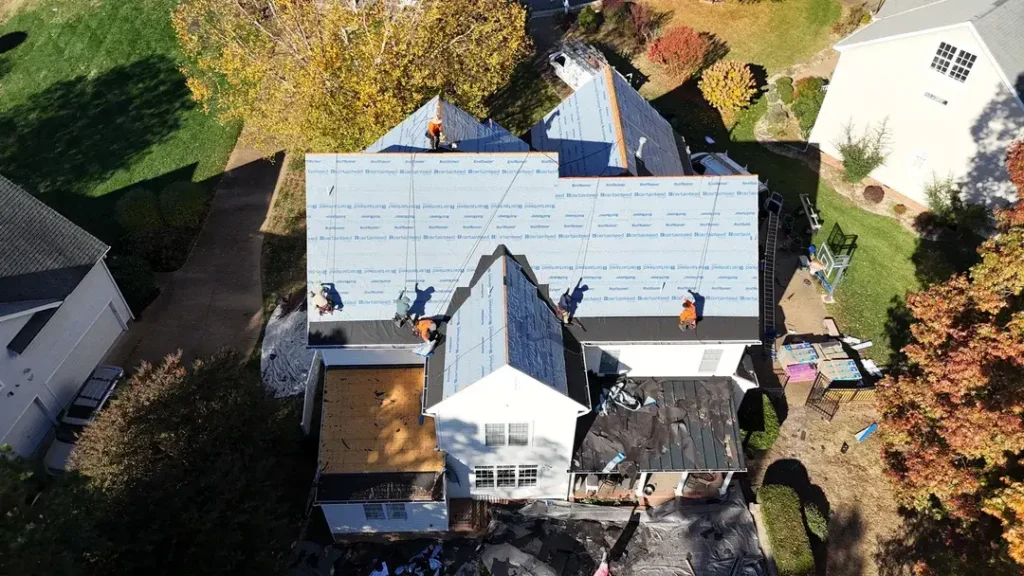
Find out whether the contractor plans to remove the existing roofing material or install the new roof over it. A complete tear-off allows the roofing contractor to inspect the roof deck underneath the shingles. This reveals damaged, soft, or deteriorated decking that needs to be repaired before the new roof is installed. The quote should also explain how many existing roofing layers are included in the tear-off price. Ask whether dumpsters, hauling, disposal fees, and final cleanup are included.
2) Roofing Material and Manufacturer
A roofing estimate should identify the exact roofing material being installed. For an asphalt shingle roof, look for the manufacturer and product line. “Architectural shingles” alone does not tell you exactly what you are buying. Different product lines have different designs, specifications, prices, and warranty options. If you are comparing asphalt shingles with metal roofing or another material, expect larger differences between estimates because the installation methods and material costs may be very different.
3) Underlayment
Underlayment creates an additional protective layer between the roof deck and exterior roofing material. Check which type of underlayment each contractor plans to install. Depending on the roofing system, this may include synthetic underlayment, traditional felt, or another manufacturer-approved product. You should also ask whether they will install other waterproof membranes. These materials are commonly used around vulnerable areas such as valleys, penetrations, and roof edges depending on the roof design and installation requirements.
4) Roof Ventilation
A complete roof replacement is also an opportunity to evaluate the home’s attic ventilation. Your roofing contractor may recommend ridge vents, soffit vents, or other ventilation components depending on the home’s existing system. Proper intake and exhaust ventilation controls heat and moisture within the attic. Compare whether ventilation work is included in each proposal. A lower-priced quote may simply leave the existing system unchanged.
5) Roof Decking Repairs
Roof decking can be difficult to fully inspect until the existing roofing material has been removed. Ask how each contractor handles damaged decking discovered during tear-off. Some estimates may include a limited amount of replacement decking. Others charge a set amount for each additional sheet of plywood or OSB. Having this price established before work begins gives you a better idea of how unexpected decking repairs could affect the final bill.
6) Drip Edge and Other Roof Edge Components
Drip edge helps direct water away from the roof deck and fascia at the edges of the roof. Check whether new drip edge is included and where it will be installed. Also ask how the contractor plans to address existing fascia or other roof-edge components if deterioration is discovered.
7) Cleanup and Property Protection
Roof replacement creates a considerable amount of debris. Your estimate should explain how the contractor will protect your property and clean the site after installation. Ask about dumpsters, magnetic nail cleanup, landscaping protection, driveway protection, and removal of old roofing materials. These services may be included in one quote but treated differently in another.
8) Warranty Coverage
Compare both manufacturer and contractor warranty coverage. A lower-priced roof that includes limited workmanship protection may not be directly comparable to a proposal offering longer or more comprehensive coverage. Ask each contractor to explain the warranties in writing so you know who is responsible if a problem develops. Roof warranties can be confusing because several types of coverage may apply to the same project. Read the warranty information included with each proposal and ask questions about anything that is unclear.
Manufacturer Material Warranty
The roofing manufacturer typically provides warranty coverage for qualifying defects in its products. Coverage terms vary by manufacturer and product. Some warranties also change over time, with stronger coverage during an initial period followed by prorated coverage later. Do not compare warranties based only on the number of years printed on the brochure. Look at what is actually covered and for how long.
Contractor Workmanship Warranty
A workmanship warranty covers certain problems related to the contractor’s installation. Ask how long the workmanship warranty lasts and what types of installation issues it covers. You should also understand the process for requesting warranty service. The manufacturer’s material warranty and the contractor’s workmanship warranty cover different issues, so both are important when evaluating a proposal.
Enhanced Manufacturer Warranties
Some manufacturers, such as CertainTeed, offer enhanced warranty programs when a roofing system meets specific requirements and is installed by an eligible contractor, such as IBC Roofing Richmond.
Compare the Roofing Contractors Behind the Quotes
The materials listed on the proposal are only part of the decision. You should also evaluate the company responsible for installing them.
Verify Virginia Contractor Licensing
Before hiring a roofer in Richmond, verify that the company has the appropriate Virginia contractor credentials using the Virginia Contractor License Lookup Tool from the Virginia DPOR. Make sure the business identified on the contract is the same company you researched and expect to perform the work.
Verify Insurance
Ask your roofing contractor about current insurance coverage. Roofing work involves people working at height and handling heavy materials around your property. Contractors should be able to provide information about applicable liability and workers’ compensation coverage.
Check Manufacturer Certifications
Roofing manufacturers may provide certifications or credential programs for contractors who meet certain requirements. These credentials affect eligibility for certain enhanced manufacturer warranties. If a contractor mentions a certification, ask what it means for your particular roof replacement.
Look at Local Reviews and Completed Projects
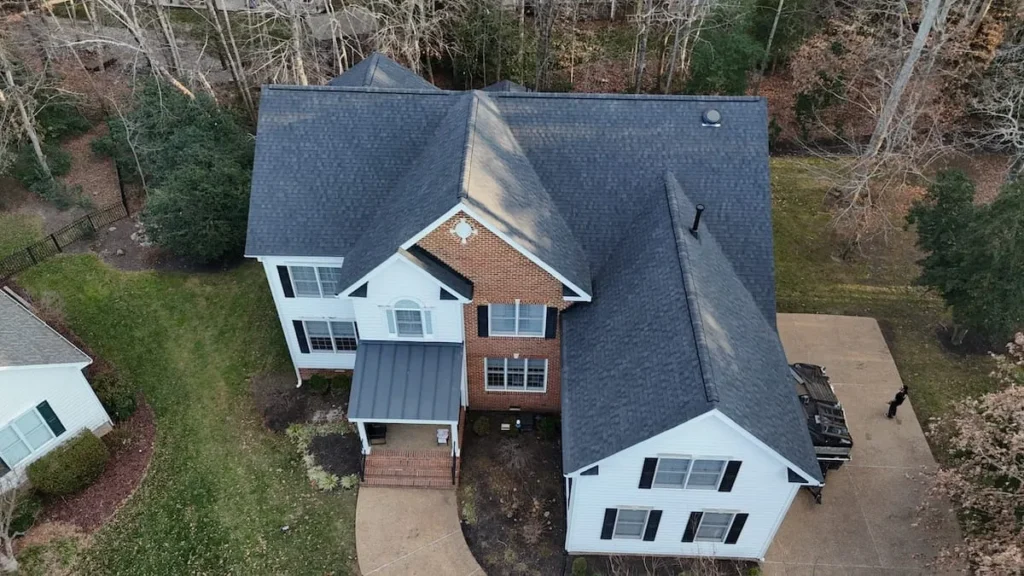
Look at recent reviews and examples of completed projects. Pay particular attention to projects involving homes and roofing systems similar to yours. Local experience is useful because Richmond homes range from historic properties to newer construction, each of which presents different roofing considerations.
View our 4.9 Star Rating on Google and read our nearly 100 local reviews
Watch for Additional Costs That May Not Be Included
Even a detailed roof replacement estimate may contain items that cannot be finalized until work begins. Ask which potential costs are included and which would result in additional charges. Hidden roof deck damage is one common example. Other possible additional expenses include:
- Plywood or OSB replacement
- Fascia repairs
- Chimney repairs
- Additional flashing
- Skylight replacement
- Ventilation modifications
- Removal of additional roofing layers
- Structural repairs
- Permit-related expenses
Ask How Change Orders Are Handled
A change order documents work that is added or modified after the original contract is signed. Ask the contractor what happens if an unexpected problem is discovered. Ideally, you should understand the problem, recommended repair, and additional cost before the extra work proceeds, except where immediate action is necessary to protect the structure. A clear change-order process prevents surprises when you receive the final invoice.
Red Flags in a Roof Replacement Quote
A professional roof replacement proposal should give you enough information to understand what you are purchasing. Be cautious when an estimate contains very little detail. Potential warning signs include vague material descriptions, missing warranty information, unclear payment terms, or important parts of the roofing system that are not addressed.
You should also ask questions if one quote is dramatically lower than the others. There may be a legitimate reason, but you need to understand where the difference comes from. Avoid relying on verbal promises. Important details about materials, warranties, pricing, and project scope should appear in the written agreement.
Get a Detailed Roof Replacement Quote From IBC Roofing
A roof replacement quote should help you understand what is going on your home, how it will be installed, and what you can expect to pay. IBC Roofing provides roof replacement services for homeowners throughout Richmond and surrounding Central Virginia communities. Our team will inspect your existing roof, discuss your material options, and provide a written estimate based on the work your home requires. If you are comparing roofing estimates or starting to plan a replacement, contact IBC Roofing to schedule a roof inspection and request a roof replacement quote.