
Prepare your roof for winter by clearing drainage paths, repairing damaged materials, and checking the attic for moisture and heat loss. A fall inspection gives you time to address those concerns before freezing weather arrives.
At IBC Roofing Richmond, we look at how the roof is performing on your specific home. A chimney with a past leak deserves a different check from a low-slope porch roof beneath several trees. The roof’s age, previous repairs, and places where water collects all help guide the assessment.
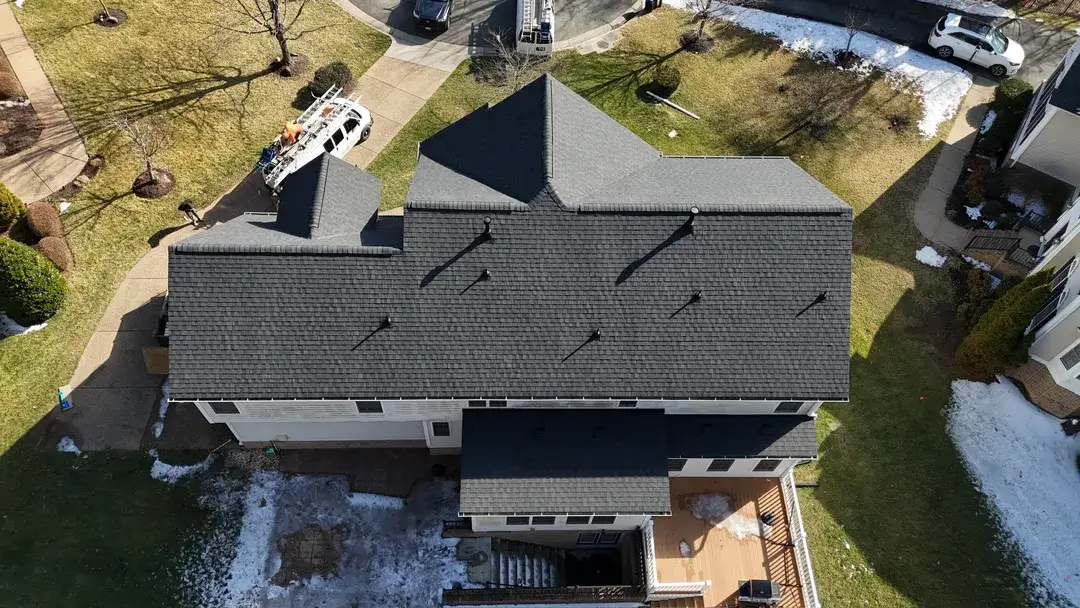
Schedule A Roof Inspection Before Winter Arrives
Give Yourself Time To Address Repairs
Schedule your fall inspection while there is still time to review an estimate and plan the work. Weather and the installation requirements of your roofing materials affect when repairs should proceed.
Start with a look from the yard. Missing shingles, loose gutter sections, and branches resting on the roof are useful details to share with us. Ground-level photos also help you explain what changed after a storm. Leave close roof access to our roofers. If trees overhang your home, plan another drainage check after the leaves finish falling. An early-fall cleaning still leaves time for fresh debris to collect.
Contact us promptly about an active leak. Tell our team when you first noticed it and what the weather was doing. That information is more useful than waiting for the next seasonal inspection.
What Our Team Checks
Our Richmond roof inspections cover the roofing surface, flashing, penetrations, roof edges, and drainage. When accessible and relevant to the concern, attic areas provide another view of the roof’s condition.
A missing shingle prompts a check of the surrounding materials. A leak near a wall prompts a review of the roof-to-wall flashing. Loose gutters call for attention to drainage and the condition of the roof edge. We document the findings and explain the options. If a repair makes sense, our estimate describes the work. If the roof has broader deterioration, we explain why replacement deserves consideration. You should be able to connect our recommendation to the condition we found.
Clear Gutters, Downspouts, And Roof Valleys
Check The Whole Drainage Path
Check the gutter outlet and downspout as well as the trough. Water needs an open path from the roof through the gutter outlet and down to the discharge point. From the ground during rain, note where water spills over. Does it overflow along a whole gutter section or mainly near one corner? Is a joint leaking? Has the gutter pulled away from the fascia, the board along the roof edge?
Share those observations with us. Our inspection includes drainage concerns and damage around the roof perimeter. That helps distinguish a cleaning need from a problem involving gutter condition or deteriorated roof-edge materials. Use qualified installers for high gutter work. Avoid flushing gutters when freezing conditions will turn the water into ice.
Look Above The Gutters For Trapped Leaves
Roof valleys carry water where two slopes meet. Leaves caught in that channel interrupt drainage and hold moisture against the roofing. A porch addition beneath a larger roof is a useful example. Its gutter might look clear from the yard while debris remains packed into a valley farther up. During an inspection of that roof layout, the valley and the adjoining roof sections both need attention.

Repair Shingles, Flashing, And Pipe Boots Before Cold Weather
Check What Is Causing The Visible Damage
Missing shingles, cracked materials, and loose ridge caps deserve attention before winter storms. We assess the surrounding roof to understand the repair area.
Take a raised shingle as an example. A backed-out nail beneath it creates a fastening problem that needs correction. The repair scope depends on the shingle’s condition and what we find around the fastener. Our assessment also changes with the roofing material. Metal roofs require checks of panels, seams, and fasteners. Low-slope systems require attention to membrane damage and open seams.
IBC Roofing Richmond is a CertainTeed ShingleMaster contractor. We follow manufacturer installation requirements when completing repairs. Our roof repair process includes documentation, a written estimate, and an explanation of the completed work.
Give Chimneys, Skylights, And Wall Connections A Closer Look
Flashing directs water away from roof joints. Step flashing follows the shingle courses beside a wall. Counterflashing protects the upper edge of flashing at a chimney or masonry wall. A pipe boot seals around a plumbing vent passing through the roof. Our roofers inspect these areas for deterioration, openings, and evidence of previous repairs. A patched chimney joint deserves a close look at the flashing beneath and around the patch.
If a ceiling stain appears beside your fireplace, tell us about it. Water entering higher on the roof sometimes travels along decking or framing before it becomes visible indoors. We use the stain’s location to guide the inspection, then trace likely entry points on the roof.
Check The Attic For Moisture And Heat Loss
Find Out Why The Attic Is Wet
Water stains, damp insulation, and moisture beneath the roof deck each deserve investigation. Our inspection includes accessible interior areas when needed to evaluate moisture concerns or help locate a leak. The pattern matters. A wet area close to a roof penetration directs attention toward that detail. Moisture across several sections of decking also raises questions about attic conditions.
These observations help guide the assessment; they do not establish the cause by themselves. Water entering through roofing and condensation forming on cold surfaces need different corrective work. If you notice moisture in your attic, tell us where it appears and when you see it. Leave access to our team if the space lacks a safe walkway or is difficult to reach.
Discuss Ventilation And Insulation Questions With Us
Warm indoor air reaches the attic through gaps at ceiling penetrations and access openings. That air carries heat and moisture. Air sealing addresses the gaps, while insulation limits heat transfer. In a vented attic, the intake and exhaust paths also need to function. Insulation placed against soffit vents blocks airflow. Baffles help keep the ventilation path open at the eaves.
Before adding insulation or changing vents, talk with our team about the concerns you are trying to solve. We assess visible roof ventilation and accessible moisture conditions, then explain the findings and whether further evaluation is needed. A vented attic and an unvented roof assembly require different approaches. Recommendations should fit your home’s existing design.
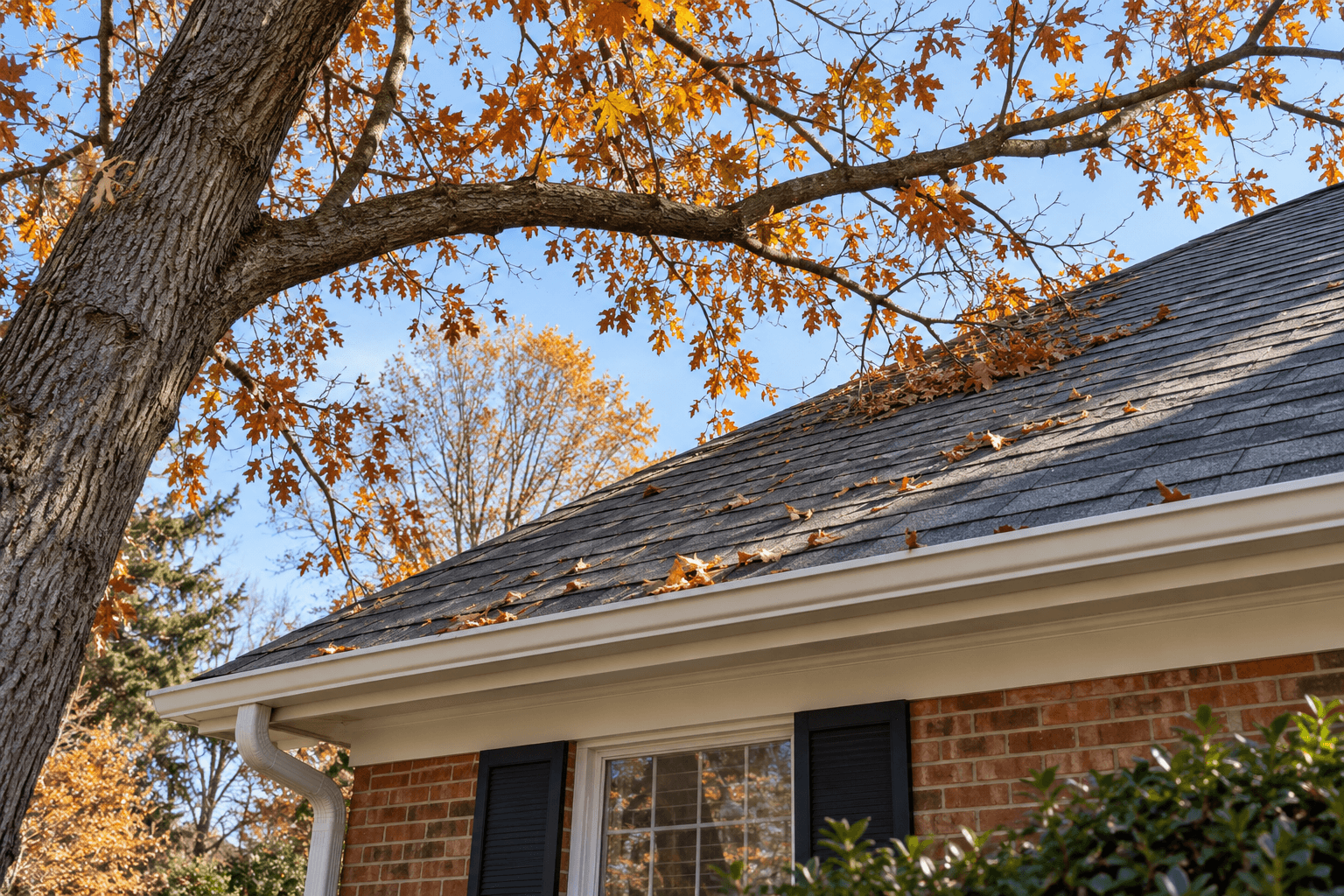
Trim Overhanging Branches And Protect The Roof During Decorating
Branches above the roof add debris to gutters and valleys. Wind, snow, and ice also stress limbs. If a branch has rubbed against the roof or fallen onto it, contact us about inspecting the affected area. Our assessment includes visible damage and the surrounding roofing materials. Photos taken safely from the yard help show where the branch landed. An arborist should assess large limbs and decide how to prune them. Tree work close to the roof requires suitable equipment and experience.
For holiday lights, use clips designed for the attachment point. Avoid nails or staples through shingles and roof edges. Remove the clips with care when the season ends; pulling lights down from the yard risks damaging the gutter or roofing. If you notice a loose roof-edge component while decorating, send our team a photo and ask us whether it needs an inspection.
Understand Snow And Ice Risks In Richmond
Tell Us About Past Ice Buildup Or Thawing Leaks
An ice dam forms when snow melts on a warmer roof section and refreezes near a colder edge. The buildup traps meltwater, which then backs up beneath roofing materials. Attic heat loss contributes to this pattern. Air sealing and insulation address heat transfer, and appropriate ventilation is part of a vented attic’s design. Clear gutters support drainage. If your home has leaked during a thaw or developed persistent ice along the eaves, bring that history to us before winter. Tell us which roof section was affected and whether the problem has returned.
Contact Us About Changes After Winter Storms
From the ground, look for damaged gutters, displaced materials, and changes in the roofline after the storm passes. Indoors, note any new stain or drip during thawing. Contact IBC Roofing Richmond about roof damage or an active leak. New sagging, bending, or cracking needs urgent assessment. Stay clear of the affected area and describe the change when you call.
Snow and ice removal requires a separate judgment about roof access, its condition, and the accumulation. Talk with us about your concern so the appropriate next step is clear. Leave removal to qualified professionals when it is needed. A single snow-depth number does not establish whether every roof is safe. The structure, its condition, and the snow’s weight all affect the assessment.
Use A Winter Roof Maintenance Checklist
Keep inspection findings, repair records, and photos together. They give you a reference if something changes after winter weather.
| Task | When To Check | Your Next Step |
|---|---|---|
| Review the roof’s condition | In fall or after visible storm damage | Schedule an IBC roof inspection |
| Check gutters and downspouts | Before winter and after leaf fall | Arrange safe cleaning; discuss overflow or roof-edge damage with us |
| Review valleys and low-slope drainage | During the fall inspection | Tell us about debris buildup or recurring porch leaks |
| Watch for indoor stains or attic moisture | After rain or when a new sign appears | Share the location and timing with our team |
| Assess overhanging limbs | Before winter storms | Arrange an arborist’s assessment; contact us about roofing damage |
| Check for changes after snow or ice | After the storm passes | Observe from the ground and contact us about damage or leaks |
If you are unsure which concern should come first, ask us. We will explain the roof findings and help you understand the recommended work.
Can IBC Roofing Repair My Roof During Winter?
Yes, when roof access, weather, and the material’s installation requirements allow suitable work. Cold conditions affect some materials and their sealing process. Our team explains the timing for your repair and discusses temporary protection when permanent work needs to wait.
Prepare Your Roof For Winter With IBC Roofing Richmond
Your winter preparation plan should reflect the roof on your home. Tell our team about previous leaks, recent damage, and areas you are concerned about. We will document the roof’s condition and explain the repairs or maintenance supported by the findings. IBC Roofing serves Richmond and nearby Central Virginia communities, including Midlothian, Chesterfield, and Henrico.
Request a free roof inspection to discuss your roof’s winter preparation with our team.