
Most residential roof replacements in Richmond take 1–3 days once installation begins. Inspection, material selection, and scheduling happen before that work starts. The roof’s layout, condition, and chosen material determine the estimate for your home.
At IBC Roofing Richmond, our inspection helps establish what belongs in that schedule. A worn shingle roof with sound decking is a different job from a roof with moisture damage around a chimney or several roof-to-wall connections that need attention. We explain the findings and the recommended work so you understand what affects your completion date.
If you are planning time off, arranging care for pets, or working toward a closing date, tell us early. Those details help us discuss a schedule that fits your needs.
Roof Replacement Timeline at a Glance
The installation window is one part of the project. Here is how the stages fit together:
| Project Stage | What Our Team Helps You Understand | Timing |
| Inspection and estimate | The roof’s condition and the work recommended for your home. | Before installation; timing depends on the appointment and assessment needed. |
| Material selection and scheduling | Roofing options, product availability, and the arrangements needed before work starts. | Varies by product, schedule, and applicable approvals. |
| Removal and installation | Tear-off, deck inspection, necessary repairs, and installation of the new system. | Most residential replacements take 1–3 days. |
| Final inspection and cleanup | The finished work, remaining questions, and cleanup. | Part of project completion; discuss any separate equipment pickup with us. |
When we discuss your timeline, bring us both questions: “How many working days will installation take?” and “When should the project be finished?” A rain interruption changes the calendar even if the amount of roof work stays the same.
What Our Inspection Tells Us About Your Timeline
Previous Leaks Help Us Identify Areas That Need Attention
During our Richmond roof inspections, we examine flashing and roof penetrations for deterioration, openings, and signs of previous repairs. Where attic access is available and relevant, we also look at moisture conditions inside.
Tell us where you have seen stains, when the leak occurred, and whether anyone has repaired that area. A leak that appears during wind-driven rain gives us different information from moisture noticed during cold weather. For example, a ceiling stain near a chimney gives us a reason to examine the chimney flashing and nearby roof areas. Water travels along framing and decking, so we trace the likely entry point beyond the spot visible indoors. That inspection helps us identify the repair details that belong in the replacement plan.
Attic Conditions Help Explain the Work Needed
Darkened wood, damp insulation, and condensation deserve attention when we assess accessible attic areas. We evaluate those conditions alongside the exterior roof findings to understand whether leakage or ventilation concerns need further work. This matters to the schedule. If ventilation improvements belong in your replacement, they should be discussed while we are planning the roof. Tell us about persistent attic moisture or a history of repeated leaks when you book the inspection.
Some Decking Conditions Become Clear After Tear-Off
An inspection gives us information about visible and accessible areas. The roofing materials still cover much of the deck until removal begins. We account for that distinction when explaining the project. Talk with us before installation about how additional decking repairs would be handled, including their effect on the cost and completion estimate. You should understand that process before the old roof comes off.
What Happens Before Roof Replacement Starts?
Choosing Materials With Our Team
IBC Roofing works with asphalt shingles, metal, and synthetic slate, among other roofing systems. We help you review the options for your property and budget, including the installation work associated with the system you choose. Discuss product availability with us while selecting the material and color. If you are deciding between a standard shingle option and a specialty product, delivery timing belongs in that conversation.
A late material change also affects planning. Bring us your questions before ordering so we can explain what the change means for the schedule.
Planning Access and Deliveries
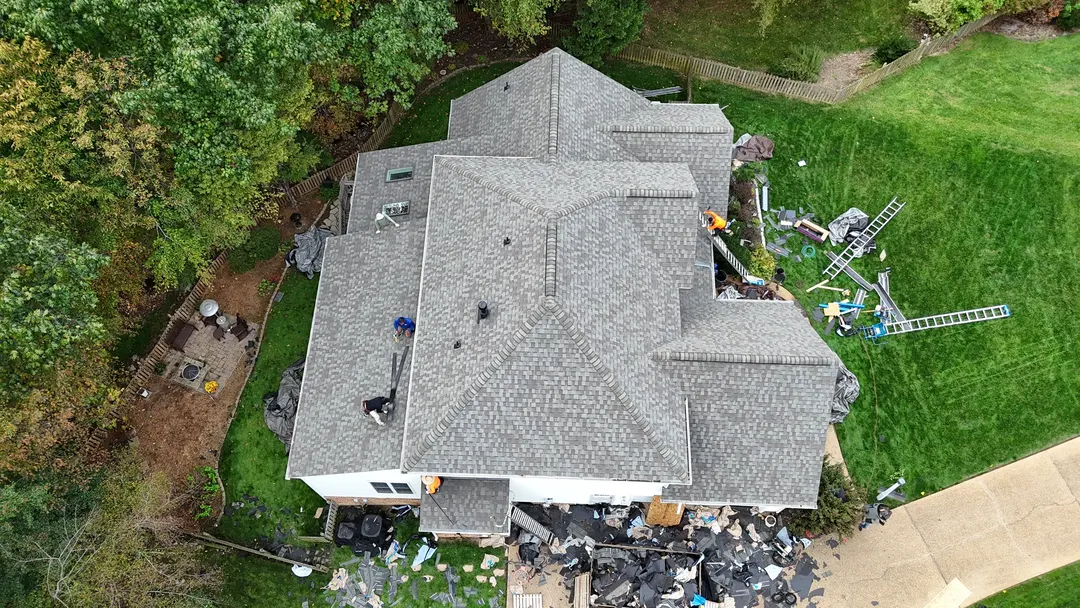
Tell us about a shared driveway, locked gate, narrow side yard, or an entrance that must remain open. The crew needs access for materials, ladders, and debris handling throughout the job. Consider a home where the driveway is the only practical place for a debris container. If a vehicle needs to leave each morning, discuss that with us before delivery. Resolving the arrangement ahead of time prevents a household need from disrupting the start of work. We also encourage you to mention landscaping or outdoor items that need special consideration. Talk with your IBC project contact about the areas to clear before installation day.
Addressing Approvals and Firm Deadlines
If your property has HOA or historic-district review requirements, bring those details to us while planning the replacement. We can discuss how applicable approvals affect ordering and the anticipated start date. Contact our team about any permit or inspection questions specific to your proposed work. For insurance-related work, we inspect the roof, document visible damage, and provide an estimate to support your discussions with the insurer. Coverage decisions come from the insurance company and have their own timing.
What Happens During Roof Replacement?
Removal Exposes the Roof Deck
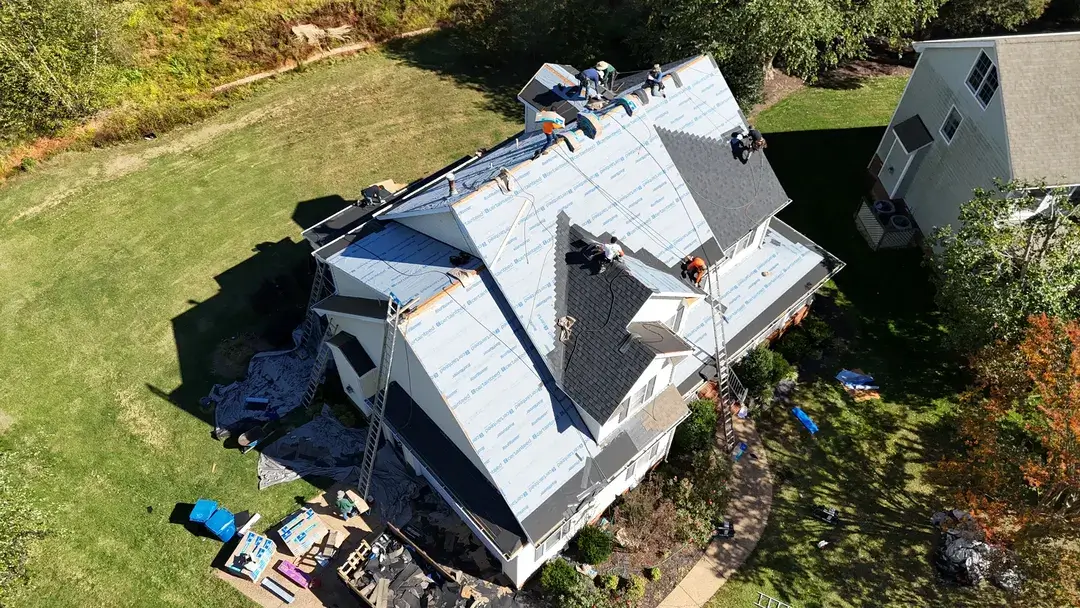
Once the work area is ready, removal of the existing roofing exposes the wood beneath it. This stage produces noise and debris, so keep clear of the agreed work areas. Tear-off also gives us a clearer view of the deck. Surface wear and the condition of the supporting wood are separate parts of the assessment.
We Inspect and Address Damaged Decking
Our replacement process includes inspecting the underlying deck and addressing problem areas before installing the new system. For example, imagine a chimney leak that was covered with sealant several years ago. The indoor dripping stopped, but damage already existed beneath the roofing. Once that section is exposed, the damaged wood needs attention before new materials go on. A localized repair and damage extending across a larger area require different amounts of work. If you have a history of patched leaks, tell us during the inspection so we have that information before installation begins.
The Roof Goes On as a Complete System
The work includes the components specified for your selected system. On a shingle roof, that means underlayment, edge details, flashing, shingles, and ridge components, with ventilation work where included in the scope.
IBC Roofing Richmond is a CertainTeed ShingleMaster contractor. Our installation teams follow manufacturer specifications. Those instructions matter for fastening and how the roofing components fit together. Around a dormer or chimney, the details require careful work. A broad, open roof section and an area with several transitions involve different installation tasks. That is one reason roof size alone does not determine the timeline.
We Finish With Inspection, Cleanup, and a Walkthrough
Our process includes a final inspection, cleanup, and walkthrough. This is your opportunity to review the work and discuss any remaining questions with us.
Why Similar Homes Have Different Replacement Timelines
Two homes with the same listed floor area can have very different roofs. A garage, addition, steep slope, or several dormers changes the amount and type of work. For example, compare a Richmond home with two broad roof slopes to one with several valleys and roof-to-wall connections. The second roof has more transitions to detail, even if the homes have similar interior square footage. When we explain your estimate, the points worth discussing include:
- Roof area: The amount of material to remove and install.
- Pitch and access: The arrangements needed to work on steep or difficult-to-reach sections.
- Existing layers: The amount of tear-off work and debris.
- Deck condition: Repairs needed once the wood is exposed.
- Roofing system: The fitting and installation details of your chosen material.
- Additional agreed work: Ventilation changes or other repairs included in the scope.
Our goal is to give you a timeline you understand, including the conditions that could change it.
How Does Richmond Weather Affect the Schedule?
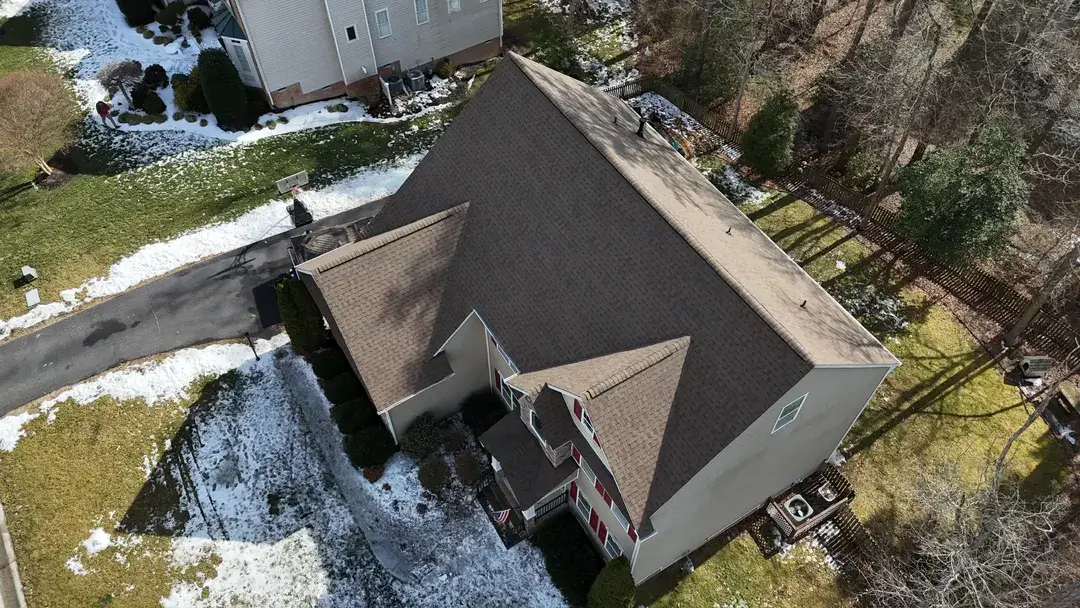
Rain and storms interrupt roofing work. Frost affects safe access as well. The installation schedule needs a suitable working window for the roof and the crew. IBC communicates weather-related schedule changes. If you have arranged time off or alternate parking, speak with your project contact about those plans so you know which dates to watch.
Consider a project requiring two working days. If rain interrupts the work between those days, the project spans more calendar time. The amount of installation work stays similar, but your anticipated completion date changes. Before work begins, talk with us about protection for unfinished areas and how schedule updates will reach you. We will explain the arrangements for your roof so you know what to expect if the forecast changes.
Can You Stay Home During Roof Replacement?
Many homeowners remain home during routine exterior roof replacement. Speak with us about your project, especially if the work involves interior access or more extensive repairs. Think about your household’s day as well as the roof. A person taking video calls from an upstairs office will experience the noise differently from someone who is away at work. Let us know if you need help planning around the busiest stages.
If you have young children, noise-sensitive pets, or a household member who needs a clear access route, discuss that with your IBC project contact. We can explain the expected activity so you can make practical arrangements before the crew arrives.
How to Prepare Your Home for Installation Day
Talk with us about the preparation needed for your property. These steps help keep access clear and reduce interruptions:
- Move vehicles before deliveries arrive. Use the parking arrangements discussed with your IBC project contact.
- Clear outdoor belongings. Move furniture, grills, toys, and loose decorations away from work areas.
- Secure fragile items indoors. Hammering creates vibration, so move unstable wall decorations and delicate belongings to a secure place.
- Discuss attic storage with us. We will help you understand whether belongings need moving or covering for the planned work.
- Plan for children and pets. Keep them away from ladders, deliveries, and debris handling.
- Notify neighbors when helpful. A brief notice is useful where driveways or access areas are shared.
- Stay reachable. Give us a number where you can be contacted during work hours.
If you are unsure what to move, contact us before installation day. A property-specific conversation is more useful than guessing how much space the crew will need.
Get a Roof Replacement Timeline for Your Richmond Home
A useful timeline starts with an inspection of your roof. IBC Roofing Richmond evaluates its condition, explains the recommended work, and helps you plan your roof replacement. Tell us about past leaks, access needs, planned travel, or a closing date when you request your estimate. We will discuss how those details fit into the schedule and answer your questions about the work ahead.