
A standard roof replacement on a single-family home in Richmond often does not require a building permit. However, permits may be required when the property sits within a City Old and Historic District, the project includes substantial roof-deck replacement, or the work changes the structure.
The answer also depends on the property’s actual jurisdiction. A Richmond mailing address may fall within the City of Richmond, Henrico or Chesterfield County, or another nearby locality. Each building department applies its own permit process.
Before a project begins, the roofing contractor should confirm the property’s jurisdiction and determine whether the planned scope requires approval.
Do You Need a Permit to Replace Roofing in Richmond, VA?
The City of Richmond classifies certain residential roofing projects as ordinary repairs that do not require building permits.
This exemption generally includes replacing an existing roof covering and replacing a limited amount of roof decking. The city lists replacements of up to 256 square feet of decking among its permit exemptions.
That means a straightforward tear-off and replacement may not require a permit when the contractor is installing a similar roofing system without changing the roof structure.
However, there are important exceptions.
The city requires a permit for replacing roofing on buildings within a designated City Old and Historic District. The building official may also require a permit for work within a special flood hazard area.
Roof replacement permits are generally required when:
- Replacing more than 256 square feet of decking
- Altering rafters, trusses, or other structural components
- Changing the roof’s shape, pitch, or framing
- Constructing a roof addition or new dormer
- Installing certain skylights
- Completing work on a commercial or multifamily building
- Replacing fire-rated or specially protected materials
- Working on a property within a protected historic district
Permit requirements can change based on the building, materials, and project scope. Homeowners should never assume every roofing project follows the same rules.
Why Your Property’s Jurisdiction Matters for Permits
“Richmond” can describe both the independent City of Richmond and the larger metropolitan area.
Homes with Richmond-area addresses may fall under different local building departments. A house inside the City of Richmond follows city requirements. A home in Henrico or Chesterfield follows that county’s rules.
For example, Henrico generally exempts replacing an unlimited amount of roof covering on townhouses, detached single-family homes, and condominiums. However, repairing or replacing more than 256 square feet of roof sheathing requires a permit. Chesterfield also distinguishes between ordinary roof-covering replacement and projects involving structural changes. The property owner, licensed contractor, or authorized owner’s agent may be able to apply online when a residential permit is required.
These differences are why a roofing contractor should verify the jurisdiction before promising that a permit is or is not needed.
Roof Covering and Roof Decking Are Not the Same Permit Application
Homeowners often hear “roof replacement” and assume the entire roofing structure is being rebuilt. Most replacements are less extensive.
The roof covering is the exterior material exposed to the weather. Asphalt shingles, metal panels, synthetic slate, and similar products are roof coverings.
The deck is the wood surface beneath those materials. It may consist of plywood, oriented strand board, or older dimensional boards.
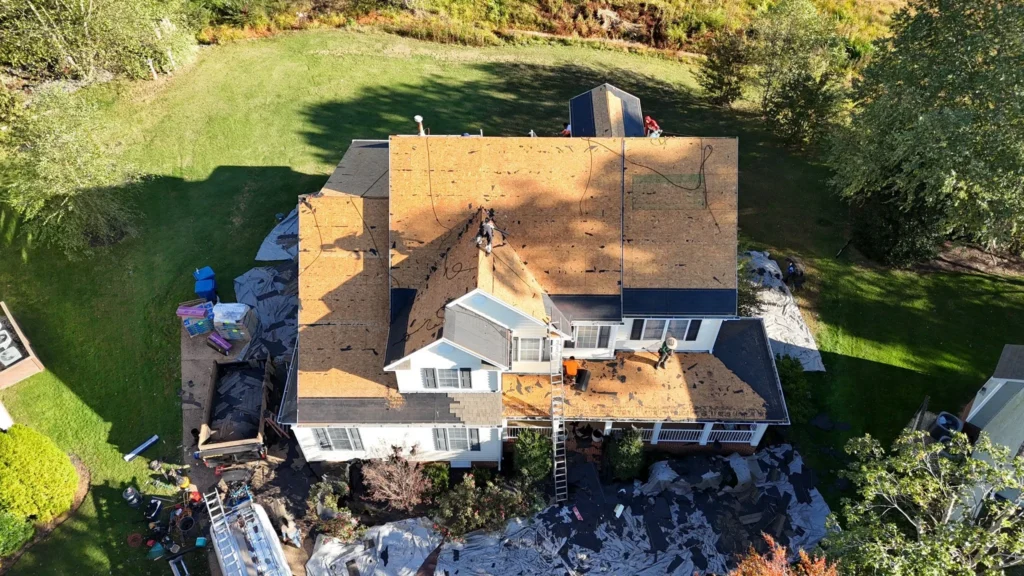
During a typical shingle replacement, the crew removes the shingles and underlayment. The exposed roof deck is then inspected before the new roofing system is installed.
Small areas of damaged decking are common. A past leak may have softened the wood around a pipe collar, chimney, valley, or roof-to-wall connection. Those isolated sections can often be replaced without changing the project’s permit status.
Widespread decking damage is different. If tear-off reveals more damaged wood than expected, the project may cross the jurisdiction’s permit threshold. Structural deterioration involving rafters or trusses creates another level of concern.
A responsible contractor should pause, document the damage, explain the additional work, and confirm whether a permit is now required.
What Happens When Hidden Damage Is Found During Roofing Projects?
Roof decking cannot be fully evaluated while shingles and underlayment still cover it.
An experienced roofing inspector may identify warning signs before work begins. These can include visible sagging, attic stains, soft areas, past leaks, and damaged wood visible from inside the attic.
Even a detailed inspection cannot expose every concealed condition.
Once the old roofing comes off, the crew may find:
- Rotten plywood or boards
- Large gaps between older deck boards
- Delaminated plywood
- Soft wood around roof penetrations
- Previous repairs made with unsuitable materials
- Damaged rafter tails
- Cracked or altered rafters
- Fire-damaged framing
- Structural movement around additions
A few sheets of damaged decking may fall within an ordinary repair exemption. More extensive damage may require a permit, an inspection, or input from a structural professional.
This is one reason homeowners should ask how replacing the decking will be handled before signing a roofing contract. The proposal should explain the included allowance, additional pricing, and approval process.
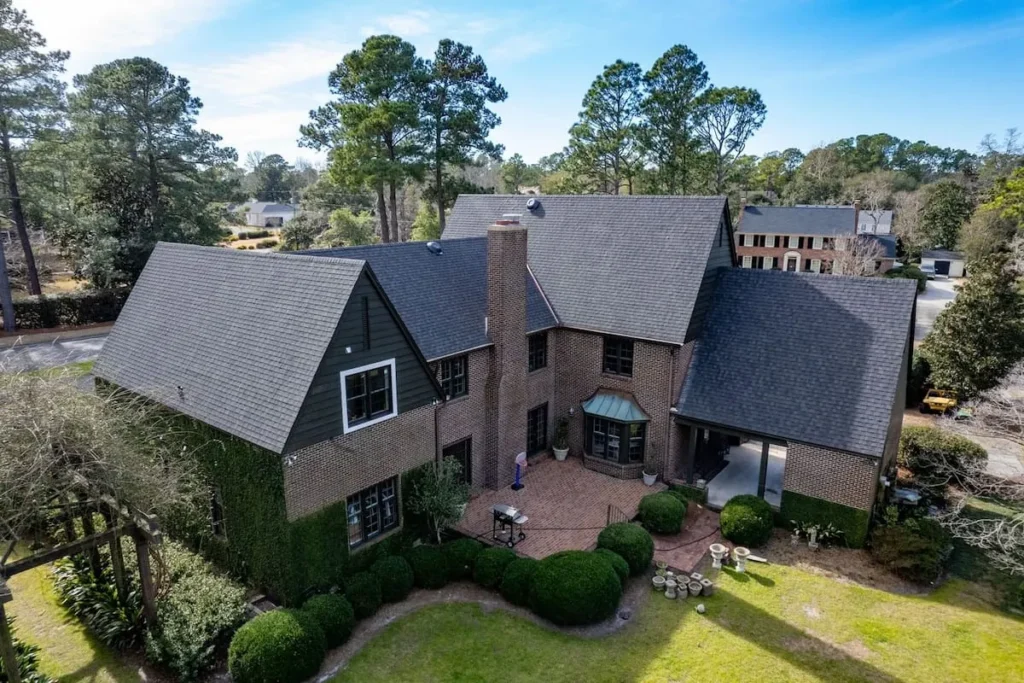
Building Permits for a Roof Replacement in a Richmond Historic District
Richmond’s historic homes create different roofing challenges.
The city of Richmond states that replacement roofing on buildings within a City Old and Historic District is not covered by the ordinary permit exemption. A building permit must be obtained.
Additional exterior approvals may also apply depending on the property and the proposed materials.
This matters because the roofing system can contribute to the home’s historic character. Changing from one material, color, profile, or architectural detail to another may affect the building’s appearance.
Older Richmond homes can also have roof conditions that are uncommon in newer construction. IBC Roofing may find dimensional plank decking, built-in gutters, masonry connections, unusual flashing details, or additions completed during different periods.
These roofs require more than a basic shingle estimate. The contractor needs to understand the existing assembly, proposed material, historic requirements, building codes, local regulations, and permit application process before installation begins.
If you are unsure whether your home falls within a historic district, confirm its status before ordering materials.
Who Is Responsible for Getting the Roofing Permit?
Either the property owner or contractor may be able to apply for a residential permit. In most professional roof replacements, the contractor handles the permit when one is required.
This arrangement makes sense because the contractor understands the project scope, roofing materials, and construction details. The contractor can also communicate with the building department when the scope changes.
The city of Richmond, like most municipalities, require confirmation of an appropriate Virginia contractor license before a permit submission can be processed under a contractor’s name.
Before signing an agreement, ask the roofing contractor:
- What permits are required?
- Which jurisdiction controls this property?
- Who will apply for the permit?
- Are the permit costs included in the proposal?
- Which inspections will be required?
- How will unexpected decking or structural damage be handled?
- Will I receive the closed permit record after completion?
The answer should be specific to your property and proposed scope.
Be cautious if a contractor dismisses permit questions without checking the address. Be equally cautious if someone adds a permit charge without explaining why the permit is necessary.
What Does a Roofing Permit Actually Cover?
A roofing permit provides legal authorization for a project and allows the local building department to review the work for code compliance.
What the Process Covers:
- Legal authorization: The permit gives the contractor approval from the city or county to begin the covered roofing work.
- Code and wind requirements: The process helps verify that approved materials and installation methods meet applicable structural and wind-resistance standards.
- Required inspections: A local inspector may review key stages, such as the dry-in or underlayment installation and the completed roofing project.
- A public project record: The permit documents the completed work with the local government. This record may help with future insurance, warranty, appraisal, or home-sale questions.
If a permit is required, work should not begin until it has been approved and issued.
The City of Richmond processes permit applications through its Online Permit Portal. The city’s Permits and Inspections Bureau reviews construction documents and performs inspections at required stages.
Can Skipping Required Roofing Permits Cause Problems?
Yes. Skipping a required permit can create problems during and after the roofing project.
The local building department may stop the project until the proper application is submitted. Completed roofing may need to be exposed for inspection. The property owner may also face days of delays, added fees, or difficulty closing the permit after installation.
An unpermitted project can surface later when:
- The homeowner sells the property
- A buyer reviews permit records
- An inspector finds building alterations
- The homeowner files an insurance claim
- Additional construction is planned
- A historic-district violation is reported
- The roofing work begins to fail
Not every roof project requires a permit. However, a contractor should never avoid one when the scope clearly requires it.
A Permit Does Not Guarantee a Good Roof
A permit provides important code oversight, but it does not guarantee properly installed roofing. Inspectors review specific code requirements at certain stages. They do not supervise the installation crew or examine every detail as the work progresses.
Long-term performance still depends on the contractor’s measurements, material choices, and installation methods. The crew must confirm the decking is solid, install the correct underlayment, and fasten materials according to manufacturer requirements. Proper flashing and balanced attic ventilation also affect how well the completed system performs.
Many problems develop around pipe collars, chimneys, walls, valleys, skylights, and ventilation openings. These areas require careful installation because water can enter through small gaps or poorly placed flashing. Those problems may exist even when the shingles or metal panels still look acceptable.
Homeowners should evaluate the permit, contractor’s license, manufacturer credentials, written warranties, and installation experience together. A permit confirms that required oversight occurred, but the contractor remains responsible for building a reliable roofing system. Beyond meeting local permit requirements, a properly installed roof replacement affects home value by improving curb appeal, reducing concerns about future repairs, and giving buyers greater confidence in the property.
Permit FAQs
Do I need a permit to replace shingles in Richmond?
A straightforward roof-covering replacement on a single-family home is often exempt from a permit. Exceptions can apply to historic properties, flood-hazard areas, structural work, and substantial decking replacement.
Is a Contractor License the Same as a Building Permit?
No. A contractor license serves a different purpose.
A Virginia contractor license applies to the business performing the work. It shows that the contractor meets the state’s licensing requirements for its classification and project limits.
A building permit applies to a specific project at a specific property. It allows the local building department to review and inspect work covered by the permit.
IBC Roofing holds Virginia contractor license #2705186778 and serves homeowners throughout Richmond and Central Virginia.
Homeowners can verify a contractor’s license through the Virginia Department of Professional and Occupational Regulation. The state of Virginia also requires a licensed contractor to provide written contracts for residential work. The written agreement should identify the roofing scope, materials, price, payment schedule, warranties, and responsibility for permits.
Does replacing plywood require a permit?
The City of Richmond and Henrico generally identify 256 square feet as an important threshold for deck replacement. More extensive decking replacement may require a building permit.
Does a metal roof require a different permit?
It can. Replacing asphalt shingles with metal may involve changes to attachment methods, weight, flashing, roof preparation, or building framework details. The contractor should confirm the requirements before installation.
Do roof repairs require permits?
Small repairs involving shingles, flashing, pipe collars, or limited areas are commonly treated as ordinary repairs. Framework repairs and larger decking projects may require approval.
Who pays for the roofing permit?
The homeowner ultimately pays the project costs, but the proposal should explain whether permit fees are included. Do not assume the advertised price includes permitting.
Can I check whether a roof permit was issued?
Yes. Local jurisdictions maintain permit records. The City of Richmond provides an online portal for applications and permit-status checks.
Can roof replacement start while the permit is pending?
Work requiring a permit should not begin before the permit is issued. Starting early may cause delays and enforcement problems.
Plan Your Richmond Roof Replacement Correctly
Requirements should be settled before roofing materials arrive at your home.
IBC Roofing starts with an inspection of the existing roof. We document its condition, explain the proposed scope, and determine whether repair or replacement makes sense. If the project requires a permit, that requirement should be addressed before installation begins.
Our Richmond team brings more than 50 years of combined roofing experience. IBC Roofing is licensed and insured, and our team holds CertainTeed ShingleMaster credentials. We also offer replacement financing, giving qualified homeowners the option to replace their roof now and spread the cost out over manageable payments.
If your roof is aging, leaking, or showing widespread damage, contact IBC Roofing Richmond for an inspection. We will evaluate the full system, explain your options, and help you plan the roof replacement around the requirements that apply to your property.